

Key Points:
- Autism is classified as a neurodevelopmental disorder rather than a mental illness, helping parents understand its nature and how to support their child.
- Core traits include challenges in social communication, restricted or repetitive patterns, and sensory differences, but strengths and needs vary widely.
- Early identification, tailored support, and understanding your child’s unique profile enable growth, development and meaningful participation.
As a parent, hearing that your child may have autism can bring both concern and curiosity. You may wonder what the diagnosis truly means, whether autism is considered a disorder, and how to best help your child thrive. This guide explains how autism is classified and why the term “disorder” is used in a clinical sense, not a negative one.
You’ll also learn about the key traits that define autism, the importance of early support, and how to nurture your child’s development and confidence. By understanding both the science and the human side of autism, parents can make informed choices that empower their children to grow, connect, and live fulfilling lives.
Understanding the Classification and What It Means
What the classification tells us
When you hear the phrase “disorder” in relation to autism, it can create confusion or worry. The term used by professionals is Autism Spectrum Disorder (ASD), which places autistic differences within a framework for diagnosis and support.
The classification of ASD means that a child shows persistent patterns of differences in communication, social interaction, and behaviours that affect daily functioning, beginning early in development.
Importantly, calling it a “neurodevelopmental disorder” emphasises the way the brain develops and functions differently, rather than implying a disease that can simply be “cured”.
Why “disorder” and how parents should interpret it
For many parents, the word “disorder” can suggest something purely negative or pathological. But in the context of ASD, it is a term used to guide diagnosis, support services, and accommodations, not to label a child as defective.
The formal classification helps:
- identify needs early,
- access tailored supports,
- track growth and change over time.
It does not mean the child is broken; instead it means their development takes a different pathway, and as a parent you can learn how to partner with that path.
How classification reflects different perspectives
Some advocacy groups prefer to emphasise “difference” or use terms like neurodiversity. They argue that autism should be seen as a variation in human brain wiring rather than a disorder to be fixed.
As a parent, it’s useful to keep both views in mind: the diagnostic classification helps with access to supports, while the “difference” view helps preserve dignity, respect and a positive identity for your child.
Recognising the Core Traits and What They Mean for Your Child
 What the traits look like and why they matter
Here are some of the widely recognised traits of ASD: persistent challenges in social communication and interaction; restricted, repetitive patterns of behaviour, interests or activities.
For example:
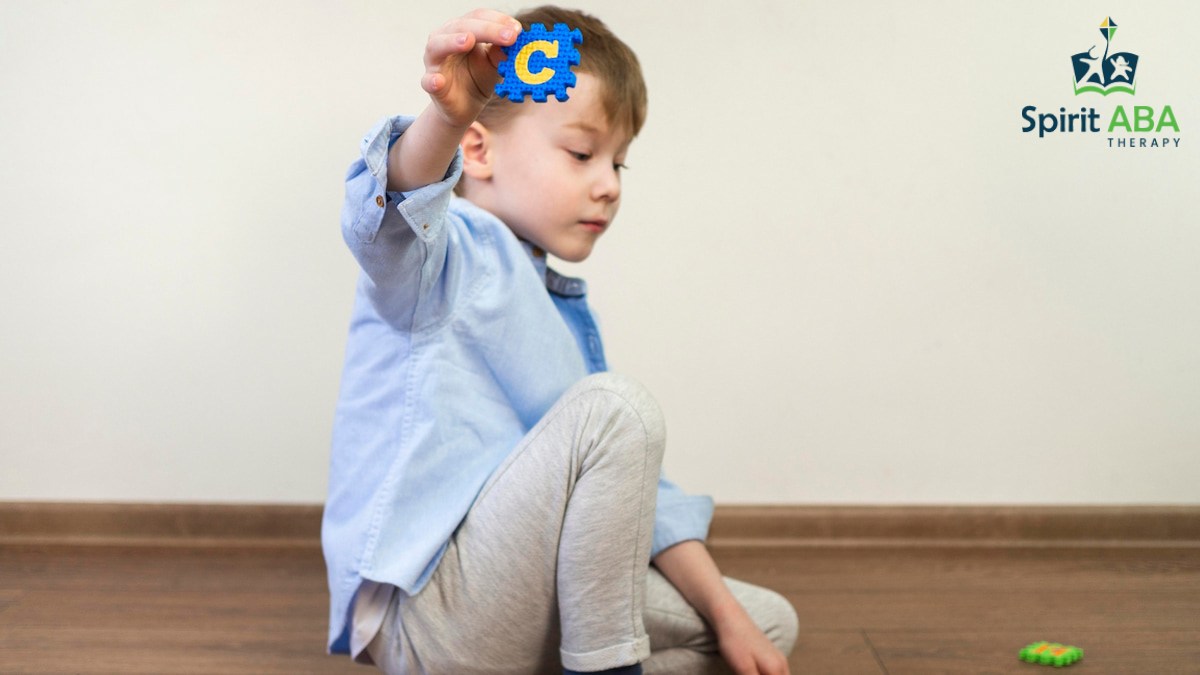
- Your child may struggle with back-and-forth conversations, non-verbal cues, or making peers.
- They may show intense focus on a particular interest, or follow routines rigidly.
- Sensory differences may mean they are overwhelmed by certain sounds, textures or movements.
These traits matter because they influence how your child learns, interacts, and participates. The earlier you understand them, the more you can tailor supports.
Variability and spectrum: each child is unique
One of the most crucial aspects for parents: no two children with ASD are the same. Abilities, challenges, and support needs vary widely. For some children the challenges are more significant, for others they are subtle and only become obvious when social or school demands increase.
This means:
- Assessment should be individualised.
- Supports should adapt as your child grows and their environment changes.
- Focusing on strengths alongside challenges will help build a positive identity.
Co-occurring conditions that parents should be aware of
Often children with ASD also have additional difficulties: learning differences, language delays, anxiety, attention problems, sometimes epilepsy. It’s common for co-occurring conditions to affect how your child functions and what support they need.
As a parent, being aware of this helps you monitor for signs (for example changes in mood, new behaviour concerns) and ask professionals about holistic support, not just therapy for “autism” alone.
What Parents Can Do to Support Their Child’s Growth and Development
Early detection and getting the right supports
One of the best investments is early recognition. Signs of ASD often appear before age 2 or 3-years and the sooner the right supports begin the more positive the outcomes for growth and participation.
As a parent you can:
- Monitor your child’s development: social response, speech, play, flexibility.
- Raise concerns early with your paediatrician or relevant specialist.
- Seek comprehensive evaluation if warranted.
Once diagnosed, supports may include speech and language therapy, occupational therapy, behavioural interventions, and educational accommodations. The aim is not simply “normalising” the child but helping them thrive on their own pathway.
Focusing on strengths, environment and meaningful participation
Supporting your child goes beyond therapies. Consider:
- What does your child do well? What interests them? How can you build on that?
- How does their environment respond to their needs (sensory adjustments, predictable routines, clear communication)?
- How can you support social participation in ways that value your child’s identity and let them contribute?
For example, if your child has a strong interest in trains or computers, you might use that interest to build communication, peer interaction or even community involvement.
Collaboration, advocacy and preparing for transitions
As your child grows you will need to advocate for them: school supports, peer inclusion, social opportunities, transition into adolescence and adulthood. At each stage think about:
- What support is needed now, and what will be needed next?
- How can you work with professionals (educators, therapists) to set expectations aligned with your child’s profile?
- How can you empower your child to develop self-advocacy, self-esteem and independence?
For example, helping your child understand their own differences in a positive way, prepare for change (such as transitions between classes or schools), develop routines around self-care or social planning.
Emotional support for parents and family
Parenting a child with ASD can bring unique joys and challenges. Taking care of your own emotional wellbeing helps you support your child better. Consider:
- Seeking peer support groups to share experiences.
- Learning about autism and dispelling myths so you feel confident in decisions.
- Recognising that growth may look different, for example progress may be slower, uneven or non-linear, and that celebrating small steps matters.
Supporting Long-Term Growth and Purposeful Life
 Creating environments that match learning and interaction styles
As children with ASD move into adolescence and adulthood, their environment and support must evolve. For example: communication and social demands at school or in community activities will change, and your child may benefit from explicit planning around transition.
You might work with teachers or vocational counselors to develop a menu of activities that fit your child’s style, for example strong focus areas, predictable routines, and supported opportunities to engage with peers or work.
Parents should think about how support will shift from basic learning (speech, language, behaviour) to self-management (time planning, social awareness, independent living skills).
Broadening the focus to independence, identity and contribution
Beyond managing challenges, supporting your child means enabling them to flourish as a person. This means helping them:
- Understand themselves, their strengths and support needs.
- Build friendships and social networks that accept and value them.
- Develop meaningful roles, whether in education, hobbies, work or community.
- Navigate change, including adolescence, puberty, social shifts, workplace readiness.
By focusing on identity and purpose you reinforce self-worth rather than simply “fixing” behaviours. This orientation supports long-term wellbeing.
Staying adaptive and advocating for evolving needs
Development doesn’t happen on a fixed timeline. Your child’s needs will change as they grow, and the world around them will change too (new technologies, new social contexts, changing expectations).
As a parent:
- Regularly review supports, needs and goals with the team around you (therapists, educators, your child).
- Stay informed about new research, ways to support transitions, inclusive practices.
- Advocate for accommodations or supports that match your child’s actual performance and potential, not just generic ones.
By doing so you help your child build a resilient, adaptive pathway to adulthood.
Supporting Families Through Understanding Autism
Learning that autism is considered a disorder can feel overwhelming at first, but understanding what Autism Spectrum Disorder (ASD) truly means helps parents focus on their child’s strengths and potential. Autism is not a limitation, it’s a different way of processing and engaging with the world. Through evidence-based ABA therapy, children can build essential skills in communication, behavior, and independence, empowering them to thrive across settings.
At Spirit ABA, we work closely with families to design compassionate, individualized programs that promote growth and confidence. Our team proudly serves children and families throughout Iowa, Nebraska, and Colorado, helping parents navigate autism with clarity and hope. If you’re ready to take the next step toward understanding and supporting your child, contact Spirit ABA today to learn how our personalized ABA services can make a lasting difference.

