

Key Points:
- Personalized ABA therapy builds children’s confidence through achievable goals and consistent positive reinforcement.
- In-home ABA services foster independence by teaching real-life skills in natural environments.
- Individualized programs allow children with autism to develop communication, self-help, and social skills at their own pace.
Applied Behavior Analysis (ABA) therapy is one of the most evidence-based approaches to supporting children with autism. But while many parents have heard of it, the true power of personalized ABA therapy lies in how it adapts to each child’s strengths, needs, and interests.
For families, this personalization can be life-changing. Instead of a one-size-fits-all plan, a certified autism therapist carefully designs a program tailored to how your child learns best. Over time, this approach helps children gain confidence in their abilities and grow more independent in daily life.
Let’s explore how and why individualized ABA therapy builds the foundation for lasting self-assurance and autonomy.
The Connection Between Confidence and Behavior
Many children with autism face challenges that can affect confidence, such as communication barriers, difficulty with transitions, or social uncertainty. These struggles can lead to frustration and withdrawal.
Child behavior therapy, such as ABA, identifies the root causes of these challenges. Therapists use data-driven techniques to teach new skills and reduce behaviors that interfere with learning. Each success, no matter how small, builds confidence.
When a child learns to ask for help instead of crying, or dresses independently for the first time, those wins compound. The result? A growing sense of accomplishment that nurtures self-esteem from within.
 How Personalization Enhances ABA Therapy Benefits
1. Tailored Goals That Match Each Child’s Pace
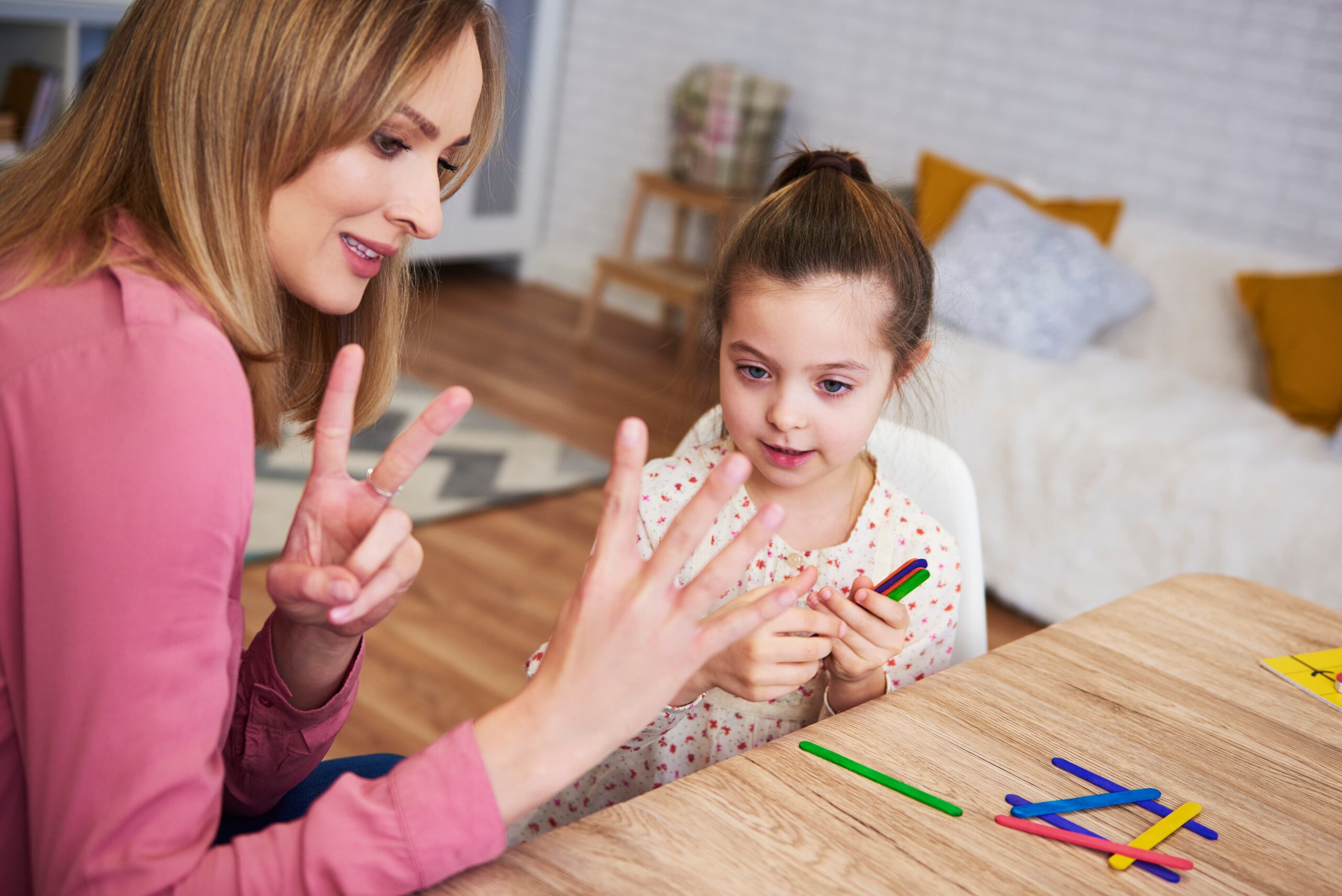
Every child’s journey is different. In personalized ABA therapy, therapists begin by conducting an in-depth assessment. This includes observing behaviors, evaluating communication skills, and learning about family priorities.
Goals are then customized. For example:
- A nonverbal child may begin with simple communication tools such as pointing or using pictures.
- A child who struggles with routines may work on following step-by-step instructions.
This individualized structure helps children experience steady progress. And progress, no matter how gradual, reinforces confidence.
2. Building on Strengths, Not Just Correcting Behavior
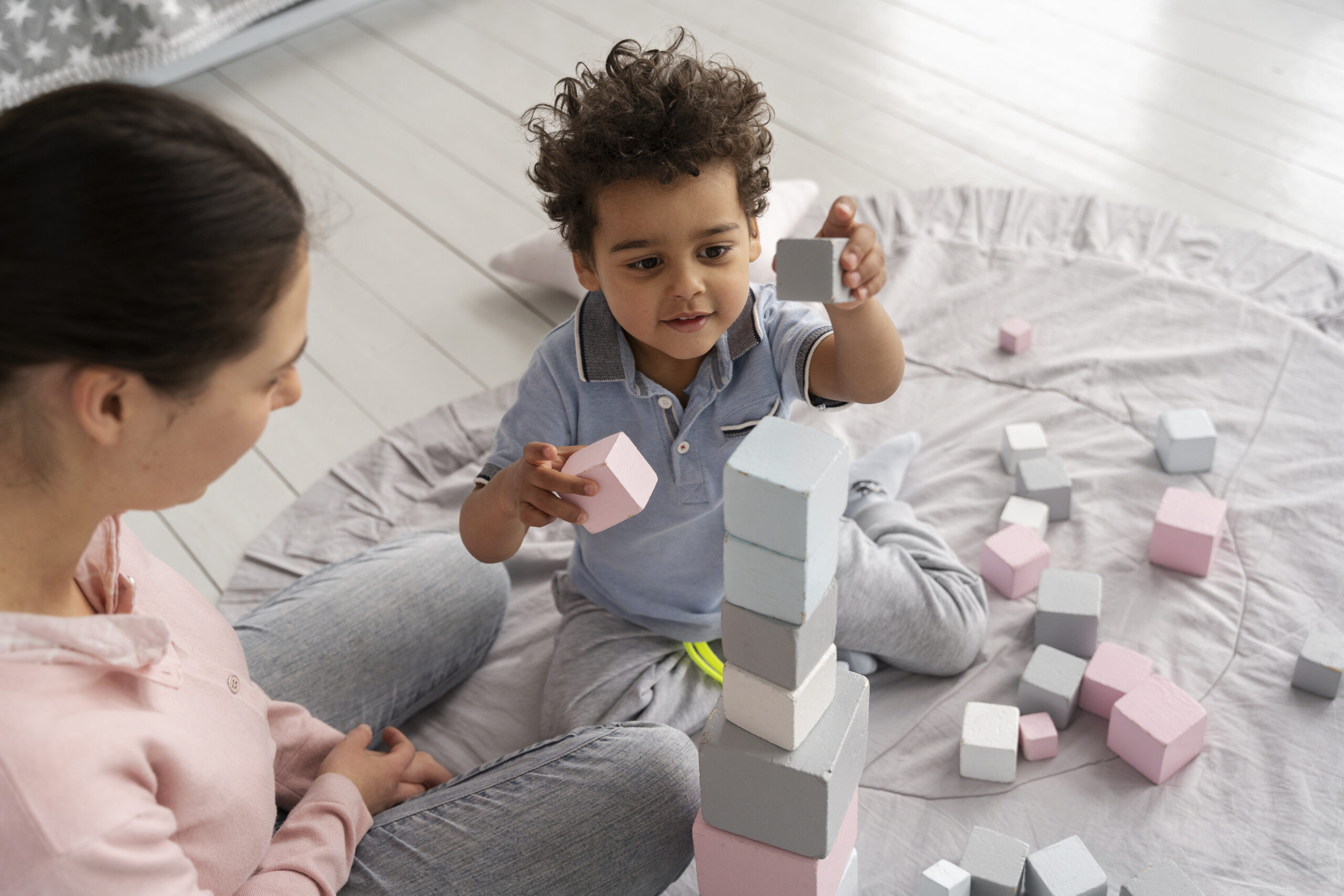
While behavioral therapy for children focuses on reducing problematic behaviors, personalized ABA emphasizes strengths. If a child loves puzzles, the therapist might use puzzle play to teach patience or turn-taking.
By integrating a child’s interests, therapy sessions become enjoyable and meaningful. This sense of enjoyment transforms learning into something a child wants to do, rather than something they’re made to do.
3. Celebrating Small Wins Through Positive Reinforcement
Positive reinforcement, a cornerstone of ABA, rewards desired behaviors immediately. This could be a high-five, a favorite toy, or verbal praise.
When therapy is personalized, reinforcers are unique to each child’s motivations. This approach not only shapes behavior effectively but also promotes a sense of pride and capability.
Children receiving individualized ABA programs showed significantly higher self-efficacy and adaptive skill development compared to those in more standardized programs.
Fostering Independence Through In-Home ABA Services
In-home ABA therapy brings behavioral learning directly into the child’s natural environment. This real-world setting helps generalize skills, meaning your child learns to apply what they’ve practiced during therapy to daily routines.
For instance:
- Practicing brushing teeth or dressing in their own bathroom.
- Learning to share toys with siblings during playtime.
- Understanding how to request snacks or help during mealtime.
Because children feel more comfortable at home, progress often accelerates. They gain independence not just in therapy sessions, but in the activities that fill their everyday lives.
In-home ABA services also allow parents and caregivers to be more involved. They can learn practical strategies to reinforce new skills between sessions, creating consistency and continued growth.
Encouraging Communication and Social Skills
Communication is one of the most essential building blocks of independence. Personalized ABA therapy for children focuses on teaching both verbal and nonverbal communication strategies, whichever suits the child best.
Therapists might use:
- Speech and language exercises.
- Visual supports or sign language.
- Augmentative and alternative communication (AAC) devices.
As communication improves, frustration decreases. Children begin to express their needs and connect with others more confidently.
Social interaction also becomes more natural. Through structured play and role-modeling, children learn how to greet others, share, and take turns, skills that enhance independence in school and community settings.
Life Skills: The Core of Independence
Beyond social and communication skills, autism therapy for children often includes life skills training. These functional skills empower children to navigate the world with less reliance on constant adult support.
Common life skills taught in ABA therapy include:
- Dressing and grooming.
- Following routines and schedules.
- Meal preparation and self-feeding.
- Using the toilet independently.
- Cleaning up and organizing personal items.
Each mastered skill increases a child’s autonomy. Over time, these abilities lead to greater participation in family life and, eventually, in community activities.
The Role of Parents and Caregivers
One of the strongest predictors of success in therapy for children with autism is family involvement. Personalized ABA therapy encourages collaboration between therapists and caregivers.
Parents are taught how to reinforce positive behaviors, respond to challenges, and create supportive environments at home. This partnership ensures that the progress made in sessions doesn’t stay in the therapy room; it extends into everyday life.
Therapists also guide parents on setting realistic expectations. When families celebrate milestones together, children feel the encouragement and pride that fuels long-term confidence.
ABA Therapy Benefits That Last Beyond Childhood
The ABA therapy benefits extend far past early childhood. By equipping children with coping strategies, communication tools, and self-help skills, ABA helps them navigate school transitions and social interactions with greater ease.
Many children who receive consistent ABA support show improved adaptability, emotional regulation, and decision-making. These are crucial for independence in adolescence and adulthood.
Moreover, learning how to learn, an outcome of well-structured ABA, allows children to continue developing new skills even after formal therapy ends.
 A Balanced Approach: Structure with Flexibility
One of the most valuable aspects of personalized ABA is balance. Children thrive when therapy offers both clear structure and flexibility.
While ABA programs are data-driven, therapists continuously adjust strategies based on real-time feedback from the child. If a child is overwhelmed, the therapist modifies the session to maintain engagement.
This responsiveness ensures that therapy remains a positive, empowering experience rather than a source of stress.
Measuring Progress: Confidence Through Data
Personalized ABA therapy is also deeply measurable. Therapists track each child’s progress using data on specific goals and behaviors.
Families can see tangible improvements, like a reduction in tantrums or an increase in independent playtime. This visible progress boosts not just the child’s confidence, but the parents’ too. It confirms that effort and consistency lead to growth.
Empowerment Through Understanding
When parents understand how personalized ABA works, they become advocates for their child’s success. Recognizing that every achievement, big or small, is a step toward independence changes how families view progress.
ABA is not just about teaching behaviors; it’s about nurturing confidence through structure, compassion, and evidence-based strategies.
Growing Toward Confidence and Independence
As children gain mastery over new skills, they naturally begin to take pride in what they can do. From communicating wants and needs to completing daily routines, every step of growth in ABA therapy builds a foundation of self-assurance.
Confidence, once built, reinforces independence. The more capable a child feels, the more they’re willing to explore, try new things, and connect with the world around them.
Personalized ABA therapy provides the tools, structure, and encouragement to make that transformation possible, one achievable goal at a time.
At Spirit ABA, we offer compassionate, individualized ABA therapy for children designed to foster confidence, independence, and lifelong skills. Whether you’re looking for in-home ABA services or center-based support, our dedicated autism therapists at Spirit ABA work closely with families to create meaningful, personalized programs.
If you’re ready to see how ABA can help your child thrive, reach out to learn more about our ABA therapy in Nebraska, Colorado, and Iowa. Every small step forward can make a lasting difference.

