
Key Points:
- Verbal behavior ABA focuses on teaching functional communication, not just words, making it highly effective for language development in autism.
- VB ABA therapy supports verbal, minimally verbal, and nonspeaking individuals by honoring all forms of communication, including AAC.
- Through individualized strategies, verbal behavior ABA helps improve independence, reduce frustration, and strengthen language development in autism.
Understanding Verbal vs. Nonspeaking Autism
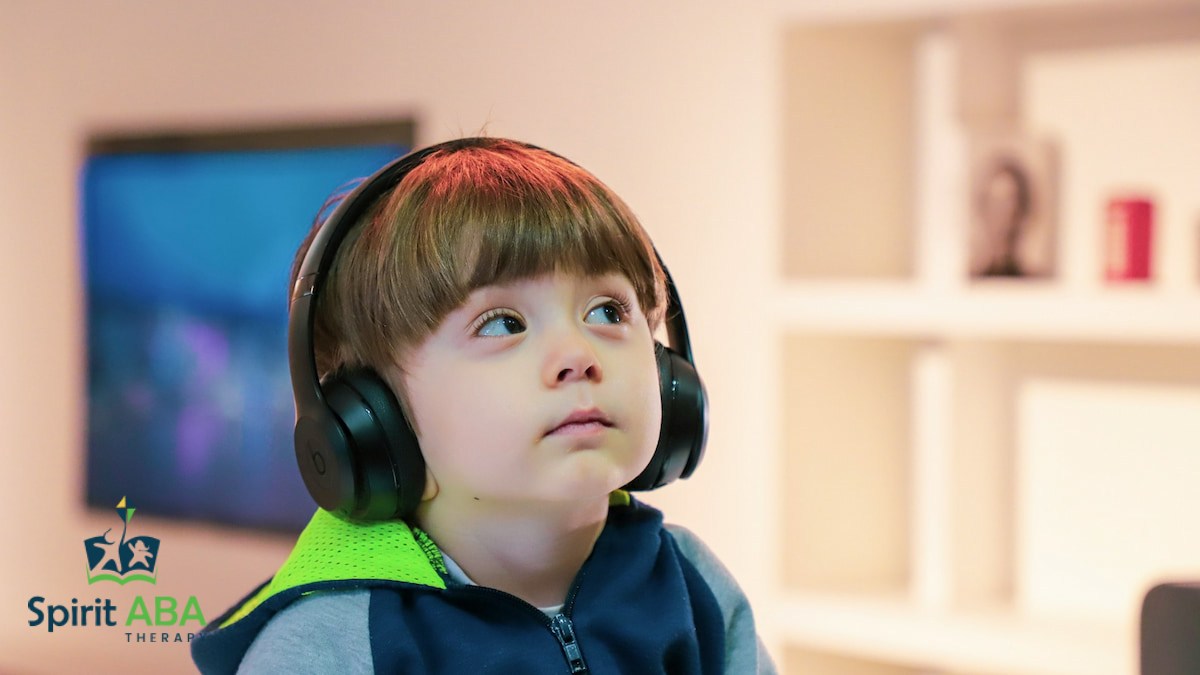
Language development looks different for every child on the autism spectrum. Some children use spoken words but struggle with conversation, while others communicate without speech through gestures, pictures, or assistive technology.
Verbal Behavior ABA (VB ABA therapy) is a structured, evidence-based approach designed to support functional communication, regardless of whether speech is present.
Rather than focusing on words alone, verbal behavior ABA therapy teaches why we use language, to request, label, respond, and connect with others, making it especially effective for language development in autism.
Autism is a communication spectrum, not a simple verbal/nonverbal divide.
- Verbal autism refers to individuals who use spoken language but may struggle with social conversation, understanding cues, tone, or maintaining back-and-forth dialogue.
- Nonspeaking (often called nonverbal) autism describes individuals who use little or no speech but may communicate effectively through writing, gestures, eye gaze, pictures, or AAC devices.
The key distinction is not whether speech exists, but how communication is expressed. Many nonspeaking autistic individuals understand language well and benefit greatly from structured communication support like VB ABA therapy.
Signs of Autism in Kids (Verbal and Nonverbal)
Signs of autism in kids can appear early and vary widely depending on whether a child is verbal or nonverbal. Autism Spectrum Disorder (ASD) affects communication, social interaction, behavior, and sensory processing.
Signs of Verbal Autism in Children
Children with verbal autism may use spoken language but struggle with how language is used socially.
Common signs include:
- Uneven Language Development: Advanced vocabulary in specific interests (like numbers or trains) but difficulty holding meaningful conversations or understanding what they read.
- One-Sided Conversations: Talking at length about preferred topics with little awareness of others’ responses.
- Unusual Speech Patterns: Robotic, monotone, or sing-song voice.
- Echolalia: Repeating words or phrases from adults, TV shows, or past conversations instead of using original speech.
- Difficulty with Social Understanding: Trouble interpreting facial expressions, body language, sarcasm, or emotions.
- Communication-Related Behaviors: Tantrums or emotional outbursts when unable to express needs effectively.
Signs of Nonverbal Autism in Children
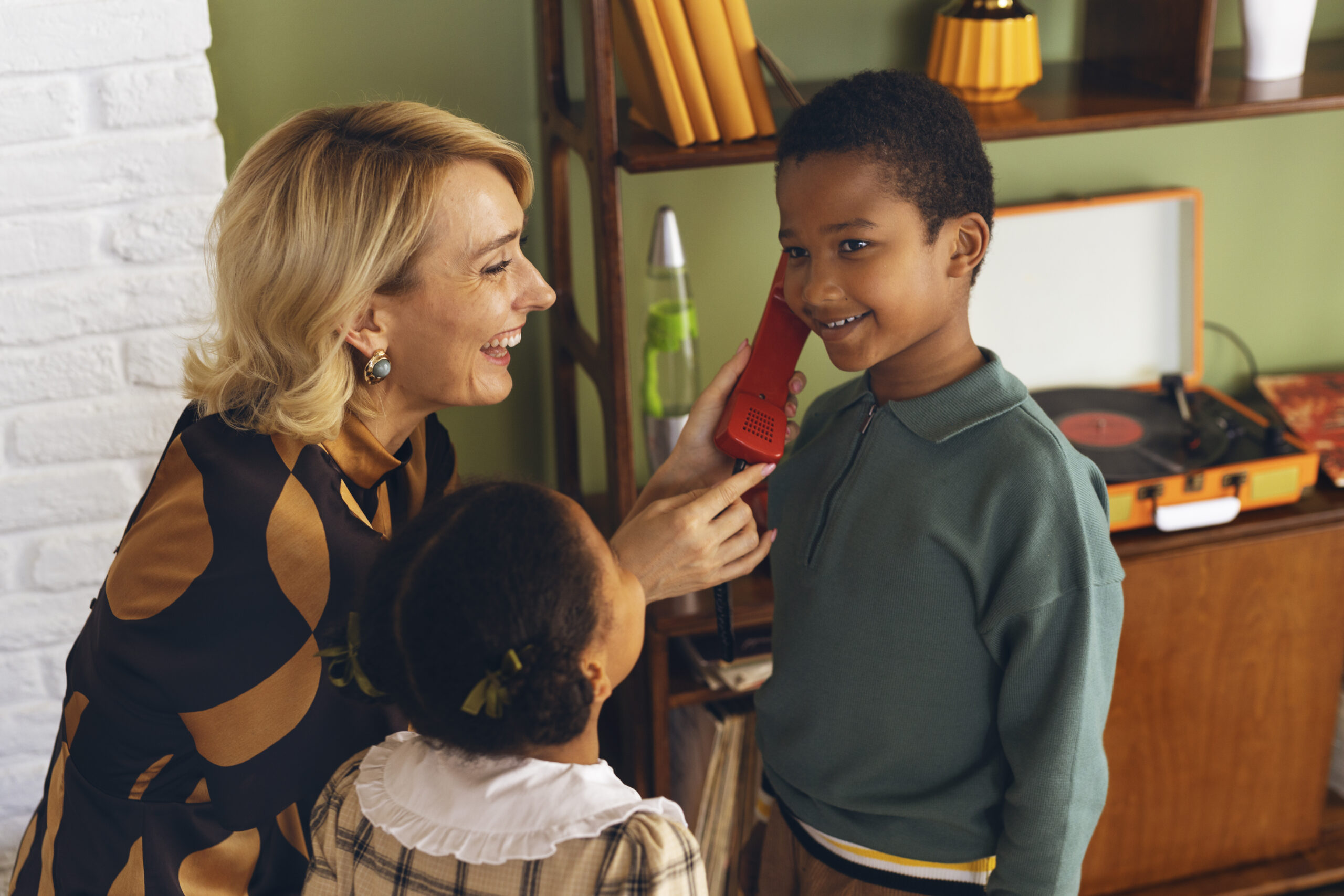
Nonverbal (or nonspeaking) autism does not mean a child cannot communicate. These children often use alternative forms of communication.
Common signs include:
- Limited or No Spoken Language: Few or no words, or loss of previously used words.
- Reduced Use of Gestures: Limited pointing, waving, or showing objects.
- Inconsistent Response to Name: May not look or respond when called.
- Limited Eye Contact: Avoidance or discomfort with eye gaze.
- Repetitive Movements (Stimming): Hand-flapping, rocking, spinning, or finger movements.
- Strong Sensory Reactions: Over- or under-sensitivity to sounds, textures, lights, or touch.
Many nonverbal children understand spoken language well and may communicate through pictures, sign language, AAC devices, or typing.
Common Autism Signs Seen in Both Verbal and Nonverbal Children
Some autism traits appear regardless of speech ability.
- Social Challenges: Preferring to play alone, difficulty with peer interaction, or appearing withdrawn.
- Rigid Routines: Strong resistance to changes in schedules or environments.
- Intense Interests: Fixation on specific objects or topics (such as cables, letters, or toy trains).
- Delayed Developmental Milestones: Limited babbling, pointing, pretend play, or imitation compared to typical developmental timelines.
- Sensory Sensitivities: Extreme reactions to noise, textures, clothing, food, or lights.
When to Seek Help
If you notice multiple signs of autism in your child, verbal or nonverbal, consulting a pediatrician, developmental pediatrician, or autism specialist is essential. Early evaluation allows access to therapies that support communication, social skills, and overall development.
Early identification and intervention can significantly improve long-term outcomes for children with autism.
How Verbal ABA Therapy Supports Language Development in Autism
VB ABA therapy uses proven ABA strategies to teach communication in meaningful, motivating ways.
Verbal behavior ABA is based on B.F. Skinner’s theory (Operant Conditioning) that language is a behavior shaped by its purpose, or function. Instead of teaching isolated words, VB ABA therapy teaches children how language helps them:
- Get their needs met
- Share information
- Respond to others
- Participate socially
This functional approach makes VB ABA therapy especially powerful for supporting language development in autism, including children who are minimally verbal or nonspeaking.
Core Verbal Operants in VB ABA Therapy
VB ABA therapy breaks language into teachable units called verbal operants, each serving a different purpose.
1. Manding (Requesting)
The foundation of communication.
- Example: Saying “juice” to ask for a drink
- Why it matters: Reduces frustration and builds motivation to communicate
2. Tacting (Labeling)
Naming objects, actions, or feelings.
- Example: Saying “dog” when seeing one
- Builds vocabulary and awareness of the environment
3. Echoics (Imitation)
Repeating sounds or words.
- Example: Adult says “ball,” child repeats “ball”
- Helps develop speech patterns and articulation
4. Intraverbals (Conversation)
Responding to spoken language.
- Example: Answering “What’s your name?”
- Supports back-and-forth interaction and conversation skills
Together, these operants form the backbone of verbal behavior ABA therapy.
Key Techniques Used in Verbal Behavior ABA
- Positive Reinforcement: Every communication attempt, spoken or alternative, is rewarded, increasing motivation to try again.
- Prompting and Fading: Therapists provide cues (verbal, visual, or gestural) and gradually remove them to build independence.
- Natural Environment Teaching (NET): Language is taught during play, meals, and daily routines to promote real-life use.
- Discrete Trial Training (DTT): Structured teaching that breaks language skills into small, achievable steps.
- Functional Communication Training (FCT): Teaches appropriate communication to replace problem behaviors.

Augmentative and Alternative Communication (AAC) & VB ABA Therapy
VB ABA therapy fully supports AAC, including:
- Picture Exchange Communication System (PECS)
- Speech-generating devices
- Communication apps
- Visual supports
Importantly, AAC does not prevent speech development. For many children, AAC actually accelerates language development by giving them a reliable way to communicate while speech skills emerge.
Who Benefits From VB ABA Therapy?
VB ABA therapy is effective for:
- Children with delayed or emerging speech
- Minimally verbal or nonspeaking autistic individuals
- Children with echolalia or scripting
- Those who speak but struggle with functional conversation
Because the approach is individualized, verbal behavior ABA can be adapted across ages, skill levels, and communication styles.
Why Families Choose Verbal Behavior ABA Therapy
Parents often seek VB ABA therapy because it:
- Focuses on meaningful, functional language
- Reduces frustration and challenging behaviors
- Supports independence and self-advocacy
- Improves social engagement and daily communication
For families prioritizing language development in autism, verbal behavior ABA offers a clear, structured, and compassionate path forward.
Communication is more than words; it’s connection, choice, and independence. Verbal behavior ABA therapy meets autistic individuals where they are, honoring all forms of communication while systematically building functional language skills.
Whether a child speaks, uses AAC, or is just beginning to communicate, VB ABA therapy provides the tools needed to help them express themselves and engage meaningfully with the world. To learn more about VB ABA or language development autism, contact Spirit ABA today.
 FAQ’s
FAQ’s
- What is Verbal Behavior ABA therapy and how does it support language development in autism?
Verbal Behavior ABA (VB ABA therapy) is an evidence-based approach within Applied Behavior Analysis that focuses on teaching functional communication. Instead of only teaching words, verbal behavior ABA helps children understand why language is used, such as requesting needs, labeling items, responding to questions, and engaging socially. This functional focus makes VB ABA therapy highly effective for supporting language development in autism, including verbal, minimally verbal, and nonspeaking children.
- Is VB ABA therapy effective for nonverbal or nonspeaking children with autism?
Yes. VB ABA therapy is highly effective for nonspeaking or minimally verbal autistic children. Verbal behavior ABA supports all forms of communication, including gestures, sign language, pictures, and AAC devices. The goal is functional communication, not speech alone. Many children use alternative communication systems first and later develop spoken language through structured VB ABA therapy.
- How is verbal behavior ABA different from traditional speech therapy?
While speech therapy often focuses on articulation and speech sounds, verbal behavior ABA focuses on the function of communication. VB ABA therapy teaches children how to use language to get their needs met, interact with others, and participate in daily life. For language development in autism, verbal behavior ABA and speech therapy often work best together as part of a coordinated treatment plan.
- Can VB ABA therapy help children who already speak but struggle with conversation?
Absolutely. Verbal behavior ABA is very effective for children who are verbal but struggle with social communication, conversation skills, echolalia, or understanding questions. VB ABA therapy targets skills like back-and-forth dialogue, answering questions (intraverbals), and using language appropriately in social situations, making it ideal for improving functional language in autism.
- Does using AAC in VB ABA therapy prevent speech development?
No. Research shows that using AAC within verbal behavior ABA does not prevent speech development. In fact, AAC often supports and accelerates language development in autism by reducing frustration and giving children a reliable way to communicate. VB ABA therapy integrates AAC naturally while continuing to encourage speech when it is developmentally appropriate.

