

Key Points:
- Children with autism often face challenges with back-and-forth conversation, topic maintenance, and pragmatic language, which can affect social interactions, academic participation, and daily life.
- Structured interventions, including ABA strategies, visual supports, social stories, and video modeling, can help children develop functional, spontaneous, and socially appropriate conversational skills.
- Strengthening conversational skills improves communication, independence, emotional regulation, and peer relationships, empowering children to navigate social situations with greater confidence.
 Conversation Challenges and Language Patterns in Children with Autism
Verbal autism refers to individuals on the autism spectrum who can speak and use language but often face challenges with communication, interpretation, and maintaining conversation.
Research shows that children with autism often face challenges with conversation skills, including back-and-forth dialogue, topic maintenance, asking questions, and responding appropriately. These difficulties are linked to pragmatic language, or the social use of language.
Communication ability varies widely: some children may be nonverbal (a form of Autism Spectrum Disorder (ASD) characterized by limited or no consistent, functional use of spoken language or have limited speech), while others have rich vocabularies but struggle with rhythm, meaning, or interpreting body language, gestures, and tone.
These challenges can make interacting with peers and navigating social situations more difficult.
Common Language Patterns and Behaviors in Children with Autism
- Repetitive or Rigid Language
Children with autism who can speak often use language that does not relate to the ongoing conversation. Examples include:
- Echolalia: Repeating words or phrases.
- Immediate echolalia occurs when a child repeats words just heard, such as repeating a question they were asked.
- Delayed echolalia involves repeating words or phrases heard at an earlier time, such as saying, “Do you want something to drink?” whenever requesting a drink.
- Speaking in a high-pitched, sing-song, or robotic tone.
- Using stock phrases to start conversations, e.g., “My name is Tom,” regardless of context.
- Repeating lines from television programs or commercials.
- Narrow Interests and Exceptional Abilities
Some children may deliver detailed monologues on topics of interest but struggle with two-way conversation. Others may demonstrate advanced abilities, such as musical talent, strong math skills, or memorization. Approximately 10% of children with autism display savant skills, excelling in areas like calendar calculation, music, or math.
- Uneven Language Development
Language development is often uneven in children with autism. Examples include:
- Developing strong vocabulary in one area while lacking skills in others.
- Good memory for recently heard or seen information.
- Ability to read words at a very young age but limited comprehension.
- Limited response to others’ speech or their own name, sometimes leading to misdiagnosis of hearing problems.
- Poor Nonverbal Conversation Skills
Many children with autism struggle to use gestures or nonverbal cues to support communication. Examples include:
- Avoiding eye contact, which can appear rude or inattentive.
- Limited use of pointing or other gestures to add meaning to speech.
- Frustration when unable to express thoughts, feelings, or needs, sometimes leading to vocal outbursts or other inappropriate behaviors.
Taken together, these patterns demonstrate that communication challenges in autism are multifaceted, involving both verbal and nonverbal skills. Understanding these patterns is critical for providing targeted support to help children engage effectively in conversations, express themselves, and build meaningful social connections.
 Key Reasons for Conversation Struggles
- Social-Communication Differences:
Autistic children may find reciprocal conversation challenging, often preferring to speak at length about specific interests rather than engaging in a two-way dialogue. They may not immediately recognize or know how to respond to social cues such as facial expressions, gestures, or changes in body language.
- Sensory Overload:
Environmental factors, like loud noises, bright lights, or crowded spaces can overwhelm a child’s senses. This sensory overload makes it harder to focus on and process spoken language, affecting their ability to participate in conversation.
- Processing and Cognitive Load:
Children with autism may need extra time to process auditory information. While they hear the words, organizing them into meaningful responses can feel like solving a fast-moving puzzle.
- Literal Interpretation of Language:
Autistic individuals often interpret language literally. Sarcasm, metaphors, idioms, and implied meanings can be confusing, making certain conversations especially challenging.
- Motor Speech Difficulties:
Speaking is a complex motor skill. Difficulties with coordination, such as dyspraxia, can make producing speech, especially during rapid back-and-forth dialogue, more challenging.
- Anxiety and Stress:
Stress or anxiety can temporarily restrict verbal communication, sometimes resulting in situational mutism or reduced willingness to engage in conversation.
 Why Pragmatic Language Support Can Be Challenging
Conversational skills such as back-and-forth conversation, topic maintenance, asking and responding to questions, and conversational repair fall under the umbrella of pragmatic language.
Speech-language pathologists (SLPs) and ABA therapists can provide structured interventions to strengthen these skills.
Back-and-Forth Conversation
Back-and-forth conversation involves taking turns when speaking and responding appropriately to another person’s comments. Many children with autism may struggle with this aspect of communication, either dominating the conversation or providing minimal responses. Strategies to improve back-and-forth skills include:
- Modeling conversational turns: Show how to wait for a response before speaking.
- Role-playing: Practice short exchanges with family or therapists.
- Visual supports: Use cue cards or scripts to guide conversation flow.
Maintaining a Topic
Topic maintenance is the ability to stay on a single subject long enough to communicate effectively. Children with autism may frequently change topics abruptly or respond in ways that seem unrelated. To support topic maintenance:
- Encourage simple, focused conversations around interests the child enjoys.
- Prompt with open-ended questions like “What happened next?”
- Reinforce attempts to stay on topic with praise and positive feedback.
 Asking Questions
Asking questions is a critical social skill. Children with autism may struggle to initiate questions or may only ask questions about preferred topics. Teaching strategies include:
- Using visual question prompts to encourage curiosity.
- Practicing “wh-” questions (who, what, where, when, why).
- Modeling natural question-asking in daily interactions.
Responding to Questions
Responding appropriately is equally important for maintaining a conversation. Challenges in this area can make interactions feel one-sided. Strategies for improvement:
- Teach answering in complete sentences.
- Practice relevant responses to common questions.
- Provide immediate positive feedback for appropriate responses.
Conversational Repair
Sometimes, a conversation may break down if a child misinterprets a comment or provides an off-topic response. Conversational repair refers to strategies that help correct misunderstandings. Approaches include:
- Modeling how to ask for clarification: “I don’t understand. Can you explain?”
- Using repeating or rephrasing techniques to guide the conversation back on track.
- Practicing apologizing and correcting mistakes in a supportive environment.
 Why Conversational Skills Matter for Children with Autism
Strong conversational skills are essential for children with autism, supporting independence, safety, and meaningful social connections. These abilities directly impact daily life, emotional well-being, and academic success. Developing effective communication helps children express their needs, reduce frustration, form friendships, and navigate social situations more confidently while teaching:
- Independence and Safety:
Being able to communicate effectively allows children to express pain, illness, or other needs, and understand potential dangers in their environment.
- Social Connection and Relationships:
Good conversational skills reduce social isolation, making it easier for children to engage with peers, build friendships, and participate in group activities.
- Reduced Frustration and Behavioral Challenges:
When children can express themselves clearly, they experience less frustration, which can reduce behaviors linked to being misunderstood.
- Academic and Daily Life Success:
Strong communication supports classroom participation, comprehension of instructions, and engagement in daily routines.
- Self-Advocacy:
Conversational skills empower children to share thoughts, feelings, and preferences, giving them a voice in decisions that affect their lives.
Key Components of Conversation to Develop
- Turn-Taking: Learning to wait for and respond to others, the foundation of back-and-forth conversation.
- Topic Maintenance: Staying on topic and recognizing when to shift, which keeps interactions clear and engaging.
- Non-Verbal Cues: Understanding body language, facial expressions, and tone of voice.
- Initiation: Knowing how to start a conversation with peers or adults.
How ABA Strategies Can Improve Conversation Skills in Autism
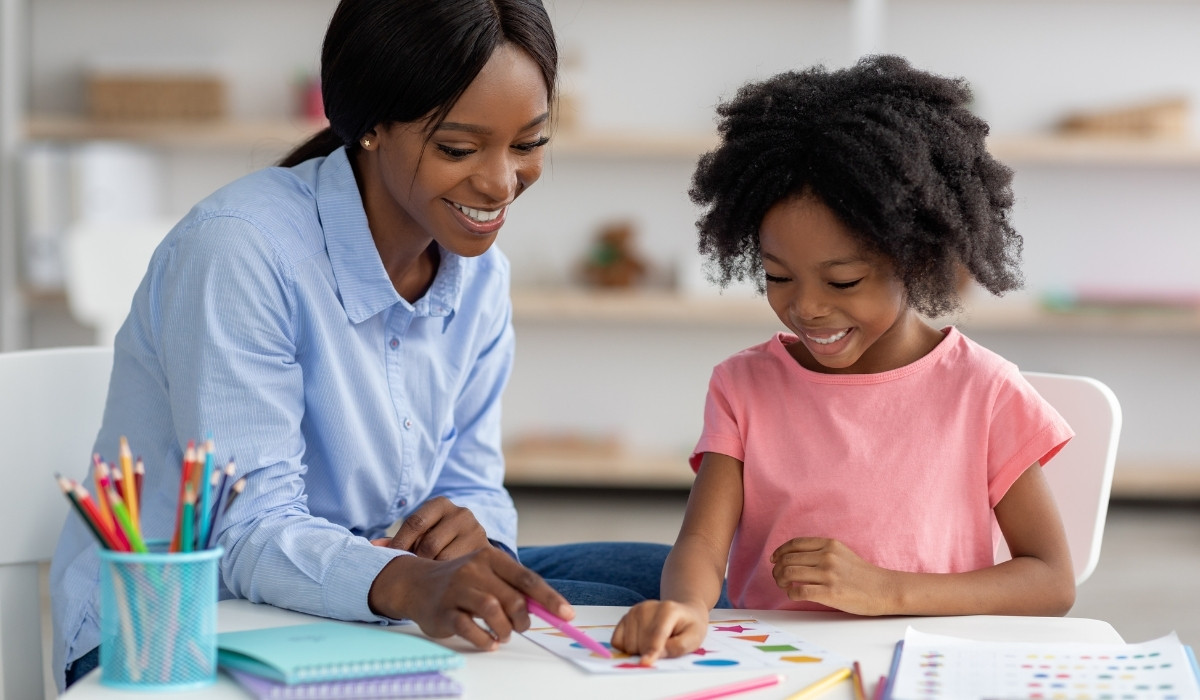
Applied Behavior Analysis (ABA) strategies can help children with autism develop stronger conversation skills by breaking down complex social interactions into manageable, teachable components. Using positive reinforcement and prompting, ABA supports children in building skills such as initiating conversation, turn-taking, and active listening to improve all features of pragmatic language support.
Key ABA Strategies for Conversation Skills
- Positive Reinforcement:
Children are rewarded with praise, tokens, or preferred items when they attempt to communicate. This creates a direct connection between speaking and positive outcomes, encouraging repeated practice.
- Prompting and Fading:
Therapists provide initial support through verbal, visual, or physical prompts to guide correct conversational responses. These prompts are gradually faded, helping the child gain independence.
- Verbal Behavior (VB) Training:
VB therapy categorizes language into functional units:
- Mands: Requests
- Tacts: Labeling objects or events
- Intraverbals: Back-and-forth conversational responses
This approach emphasizes the functional use of language, teaching children to communicate meaningfully in social settings.
- Modeling and Social Stories:
Demonstrating appropriate conversational behaviors or using social stories allows children to observe and imitate social cues, tone of voice, and body language in a structured, understandable way.
- Natural Environment Teaching (NET):
Practicing communication in real-life settings helps children generalize their skills to everyday interactions with peers, family members, and teachers.
- Task Analysis:
Complex conversational skills are broken down into small, teachable steps, such as initiating a topic, waiting for a response, and adding a related comment, making learning less overwhelming.
By incorporating these strategies, ABA helps children increase confidence in social interactions, enhance empathy, and reduce reliance on disruptive behaviors to express their needs.
 ABA Strategies for Teaching Conversational Skills In Practice
- Initiating Conversation
- Scripted Greetings: Teach a simple script for approaching peers, e.g., “Hi, [Name], want to play with blocks?”
- Interest-Based Starters: Encourage comments on a peer’s object instead of asking a question, e.g., “That is a cool car,” to start the interaction naturally.
- Visual Prompts: Use a “conversation starter” card with a picture of someone talking to remind the child to initiate conversation.
- Maintaining Conversation (Turn-Taking)
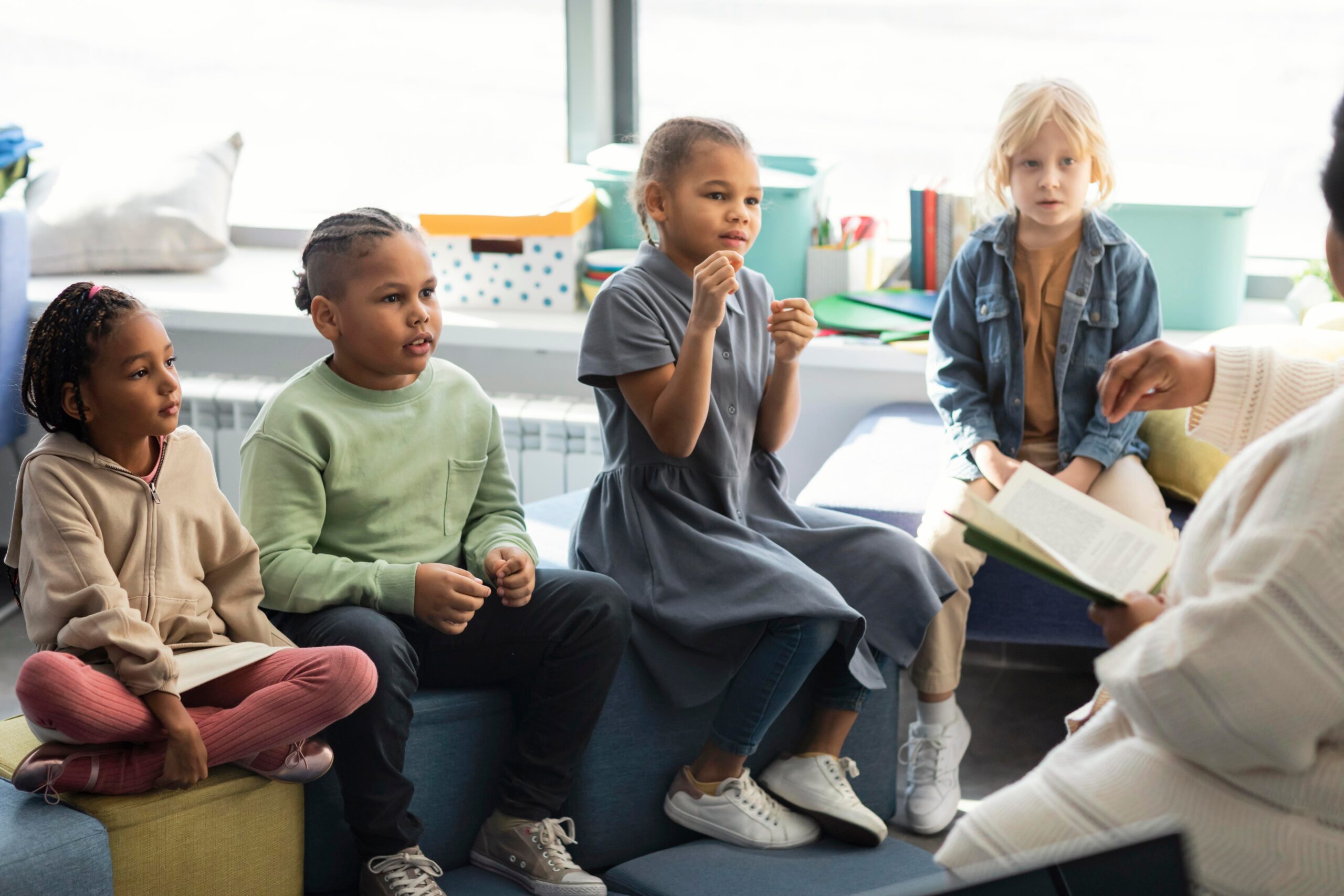
- Topic Maintenance – “Stay on Topic” Game: Use a ball or other object; the person holding it speaks about the topic, then passes it to the next person to continue the same subject.
- “Do You Like” Program: Teach the child to ask, “Do you like [favorite item]?” respond to the answer, and then share a personal preference.
- Visual Exchange: Use a token board or visual cue to indicate when it’s the other person’s turn to speak.
- Nonverbal Communication and Body Language
- Modeling Gestures: Exaggerate gestures like pointing, nodding for “yes,” or waving, paired with verbal cues.
- Eye Contact Training: Place high-interest toys near your eyes to naturally encourage the child to look up when requesting items.
- Responding and Asking Questions
- Question/Comment Balance: Teach the difference between asking questions and making comments to avoid an “interrogation” style of conversation.
- Role-Play Scenarios: Practice asking and responding in real-life situations, such as lunchrooms or playgrounds, e.g., “What are you playing?”
- Figure of Speech Check: Introduce phrases like, “Is that a figure of speech?” to help children navigate idioms and figurative language.
- Using Augmentative and Alternative Communication (AAC)
- Picture Exchange Communication System (PECS): Cards can help children request items, building intentional communication skills.
- Social Stories: Short, illustrated stories explain why and how to converse in specific social situations.
- Video Modeling and Technology
- Video Modeling: Show videos of peers or characters having a conversation, then have the child imitate the interaction.
- Animated Characters: Interactive, animated characters can model social cues, conversation flow, and turn-taking.
Benefits of Developing Conversational Skills
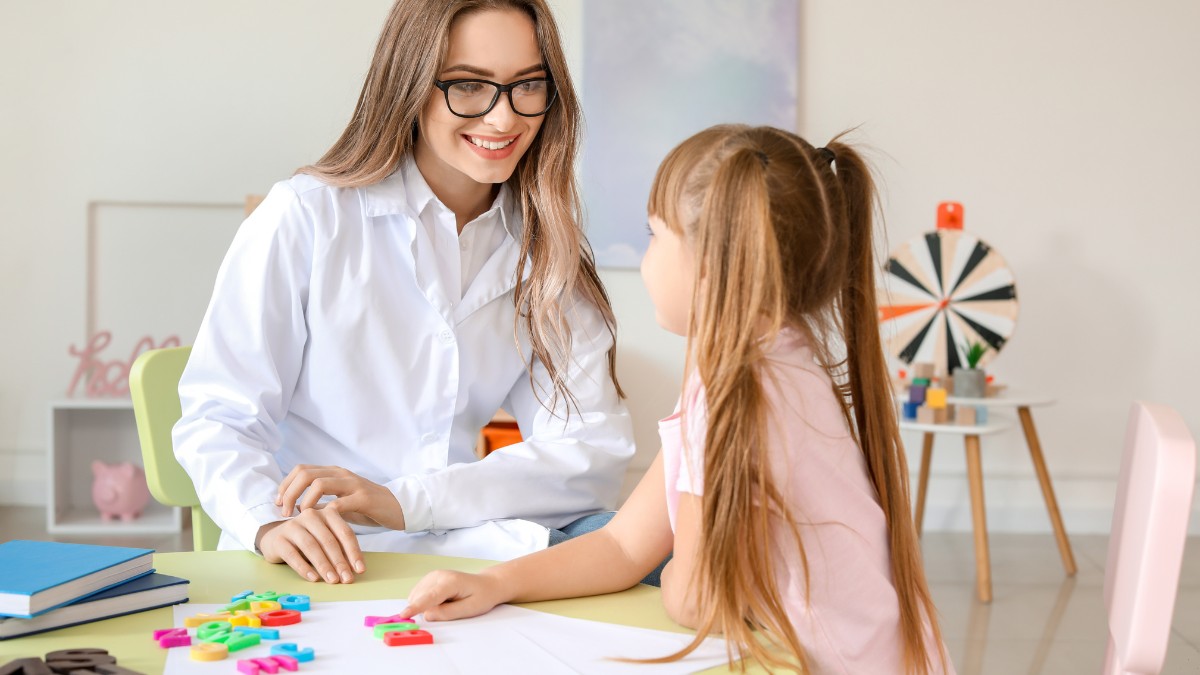
- Improved Expression of Needs and Emotions: Children can articulate preferences, reducing frustration and behavior challenges.
- Enhanced Social Interaction and Relationships: Skills like initiating conversation, turn-taking, and reading non-verbal cues help children form meaningful connections with peers, family, and teachers.
- Increased Independence and Self-Advocacy: Effective communication equips children to navigate their environment, make choices, and ask for help.
- Reduced Anxiety and Social Stress: Understanding social norms and “unwritten rules” boosts confidence and reduces intimidation in social situations.
- Academic and Cognitive Growth: Strong conversational skills support learning, participation, and collaborative problem-solving in the classroom.
- Better Emotional Regulation: The ability to express thoughts and feelings helps children process emotions and manage stress effectively.
By focusing on these key areas, children with autism can strengthen their pragmatic language, improve back-and-forth conversation, and develop the confidence needed to connect with the world around them. Contact Spirit ABA to learn how our programs can help them thrive.
FAQs
- What are conversation skills, and why are they important for children with autism?
Conversation skills involve the ability to engage in back-and-forth dialogue, maintain topics, ask and respond to questions, and interpret social cues. These skills help children express needs, form friendships, navigate daily life, and build independence.
- Why do children with autism struggle with back-and-forth conversation?
Many children with autism have difficulties with reciprocal interaction, slower processing speed, interpreting social cues, or managing sensory overload. These factors can make it hard to take turns, respond appropriately, or stay on topic.
- How can ABA therapy improve conversation skills in children with autism?
ABA strategies break social interactions into teachable steps, using positive reinforcement, prompting, role-play, and Verbal Behavior training. These approaches teach initiating conversation, turn-taking, active listening, and responding appropriately in social situations.
- What practical strategies can help children maintain a conversation?
Strategies include focused topic games, visual supports like token boards, open-ended questions, role-play scenarios, and teaching children to notice when to shift topics or respond to others’ cues.
- How can parents or caregivers support pragmatic language at home?
Parents can model conversations, practice turn-taking, use visual prompts or social stories, and create real-life opportunities for children to practice asking and responding to questions with peers or family members.
- Are nonverbal supports useful for children who struggle with verbal communication?
Yes. Tools like PECS (Picture Exchange Communication System), social stories, and video modeling help children express themselves, understand social cues, and gradually develop functional conversational skills even if speech is limited.

