

Key Points:
- Start Early: Begin preparation 6–12 months before kindergarten to build independence, social skills, and familiarity with school routines.
- Use Visual and Social Supports: Tools like social stories, visual schedules, and classroom visits reduce anxiety and improve predictability.
- Collaborate with Educators: Work with teachers, therapists, and the school team to create an IEP transition plan and ensure supports are in place.
 Preparing a Child with Autism for Kindergarten: Timeline and Key Steps
Preparation for kindergarten for a child with autism should ideally begin 6–12 months in advance, usually at the start of their final preschool year. Early planning focuses on building independence, familiarizing the child with school routines, and creating a structured transition plan with professionals.
6–12 Months Before Kindergarten (Start of Final Preschool Year)
Initiate Meetings
Contact your school district to discuss special education needs and learn about the IEP (Individualized Education Program) process. Early involvement ensures your child receives the appropriate supports.
Focus on Independence Skills
Encourage self-help skills such as using the bathroom independently, washing hands, dressing, and eating without assistance. These skills build confidence and classroom readiness.
Develop Communication Skills
Teach your child to request help, communicate their needs clearly, and respond to their name. Strong communication skills support smoother transitions to a new school environment.
3–6 Months Before Kindergarten (Spring/Summer)
Visit the School
Familiarize your child with the new environment by visiting the playground, walking through hallways, and meeting teachers if possible. Multiple visits can reduce anxiety and build comfort.
Use Social Stories
Read books or create visual stories about going to school, explaining routines, classroom activities, and expectations. Social stories help children anticipate changes and understand what to expect.
1–2 Months Before Kindergarten (Summer/Weeks Before)
Adjust Daily Routines
Gradually shift morning and evening routines to match the school schedule, including wake-up times, meal times, and bedtime. Consistent routines ease the first weeks of school.
Practice School Tasks
Have your child practice putting on a backpack, organizing supplies, and packing lunch. Rehearsing these skills at home promotes independence and confidence.
Ongoing Considerations
Sensory Supports
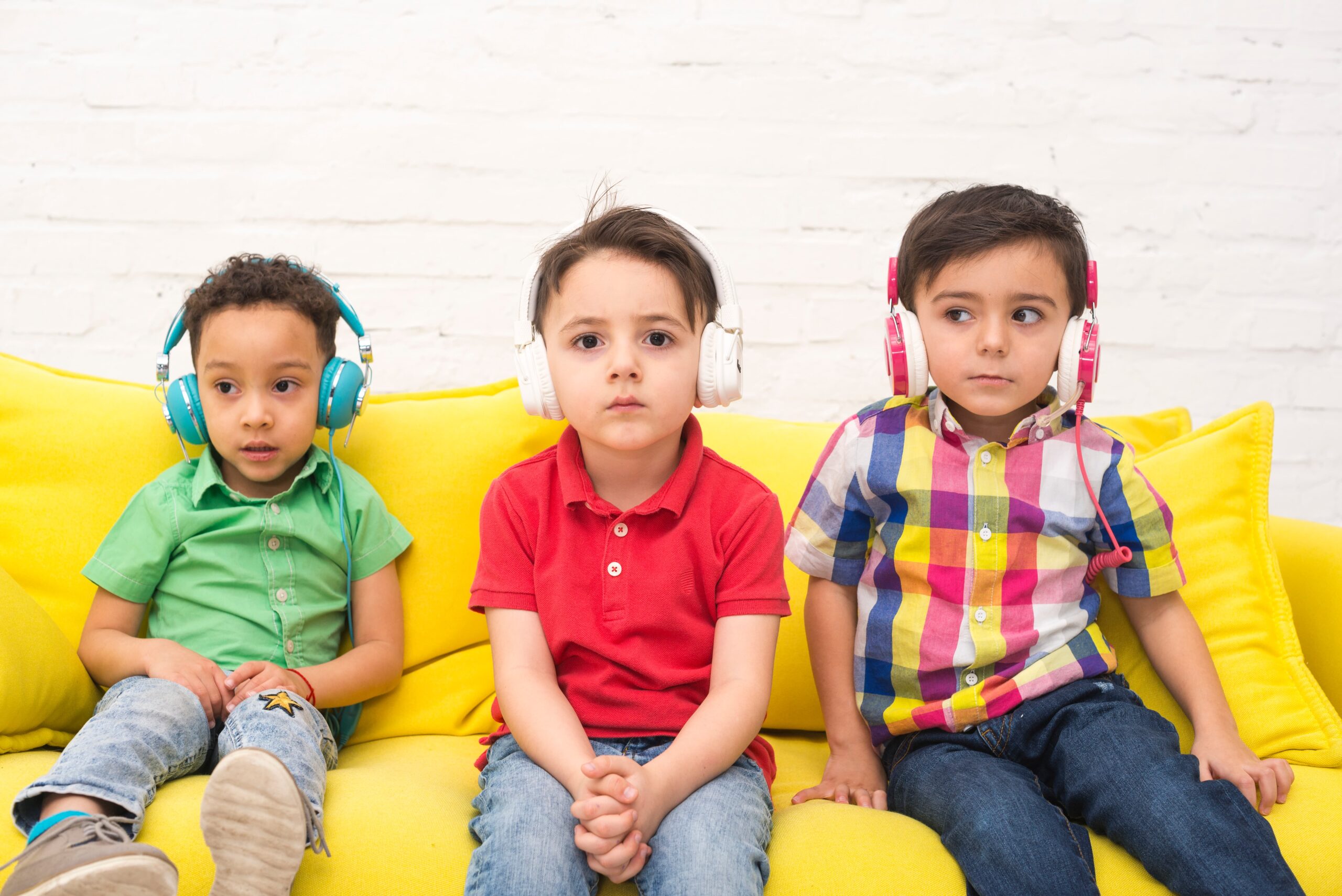
Identify sensory tools and accommodations, such as fidget toys or noise-canceling headphones, that help your child manage overstimulation. Discuss these with the school team to ensure they are available in the classroom.
Individual Readiness
Keep in mind that some children may benefit from waiting until age 6 to start kindergarten, giving extra time for social-emotional regulation and independence skills to develop.
Preparation for kindergarten is not only about academic readiness. It’s equally about reducing anxiety through familiarity, consistency, and collaboration with educators and caregivers, ensuring your child feels confident and supported as they start school.
Preparing for School Readiness
Visual Supports & Social Stories
Create picture books or social stories that illustrate the new school, teachers, and routines. These tools increase predictability, helping children understand what to expect and easing the transition.
Practice Routines at Home
Simulate school mornings by practicing getting dressed, packing a backpack, eating breakfast, and following a morning routine. Consistent practice supports kindergarten readiness and reduces stress on the first day.
Foster Independence
Encourage self-help skills such as using the bathroom independently, opening lunch containers, and putting on shoes. Developing independence is essential for both classroom adjustment and overall school readiness.
 Addressing Autism-Specific Needs
Sensory Supports
Identify potential sensory triggers, including loud cafeterias or bright lights, and provide tools like noise-canceling headphones or fidget toys. Sensory preparation ensures children can focus and participate comfortably.
Consistent Strategies
Share behavioral and academic strategies that have been successful at home or preschool to prevent repeating ineffective methods in the new environment.
Identify a ‘Safe’ Space
Work with the teacher to establish a quiet area in the classroom where the child can regulate emotions and self-soothe when overwhelmed.
Proactive Communication
Set Up a Communication Log
Establish a daily communication system, whether a notebook or app, to keep parents and teachers connected about progress, challenges, and strategies that work.
Meet the Staff Early
Request meetings with special education staff, paraprofessionals, and general education teachers before school begins. Building rapport helps the child feel more comfortable and supported on the first day.
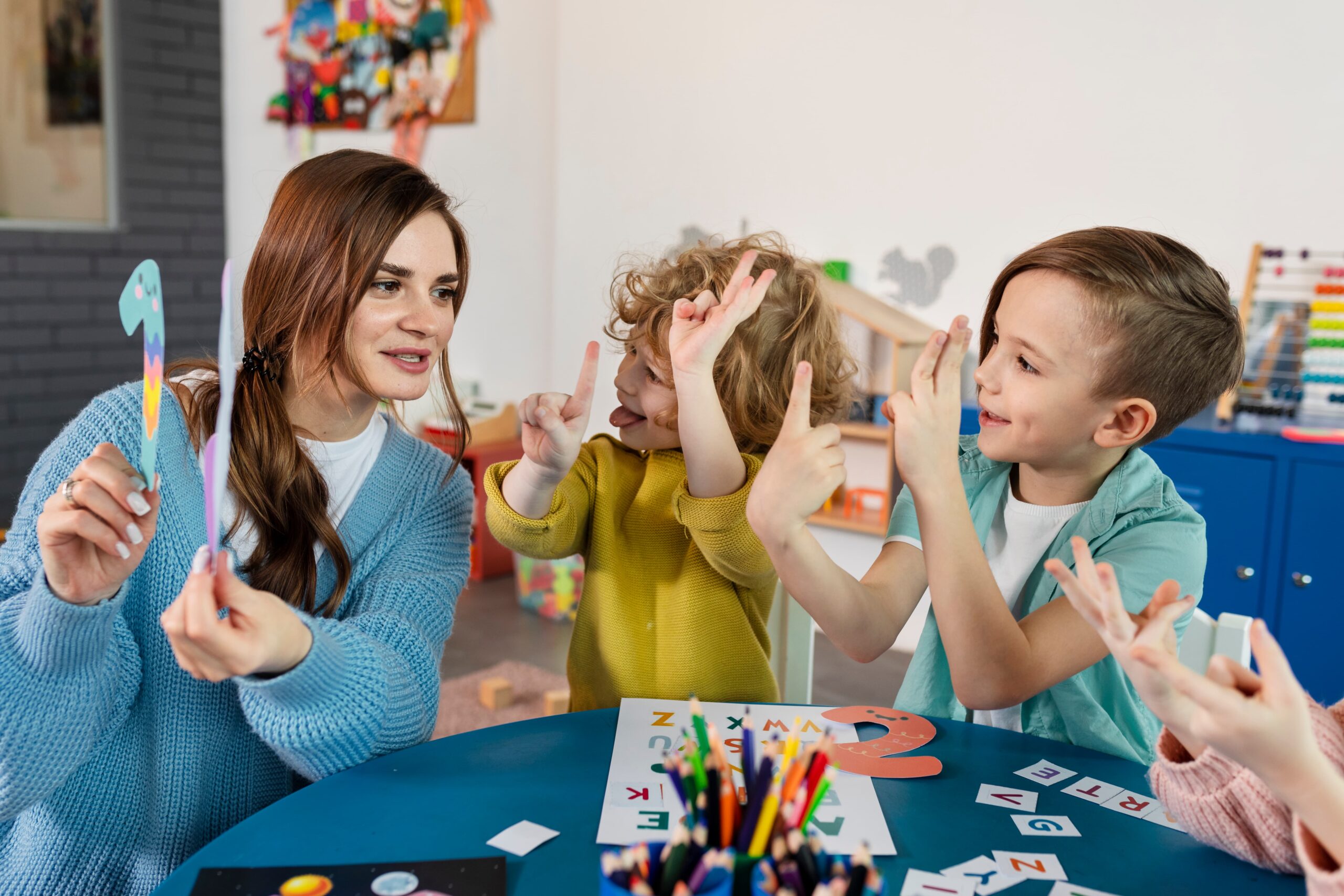
Classroom Adjustments and Educational Planning
Structured Environment
Use defined areas for individual workstations and flexible seating to reduce distractions. Clear organization supports classroom adjustment for autistic children.
Visual Schedules
Implement visual timetables, checklists, and timers to create predictable routines. Visual aids reduce anxiety and guide the child through daily activities.
Flexible Instruction
Offer alternative methods for tasks, such as using a laptop instead of writing, and allow extra time to complete assignments. Interest-based learning can boost engagement and motivation.
Behavioral and Social Support
Use positive reinforcement, token systems, and peer-buddy programs to encourage social interaction. A designated calm-down area allows for self-regulation without punishment.
Home-School Collaboration
Transition Plans
Work with school staff to develop personalized plans highlighting the child’s strengths, interests, and necessary supports. Effective collaboration ensures consistency between home and school strategies.
Consistent Communication
Maintain regular contact with teachers to share effective coping strategies and discuss any concerns. Open communication supports smooth transitions and ongoing adjustment.
Daily Decompression
Allow children time to decompress at home after school before starting homework or structured activities. Predictable routines after school reinforce emotional regulation and readiness for the next day.
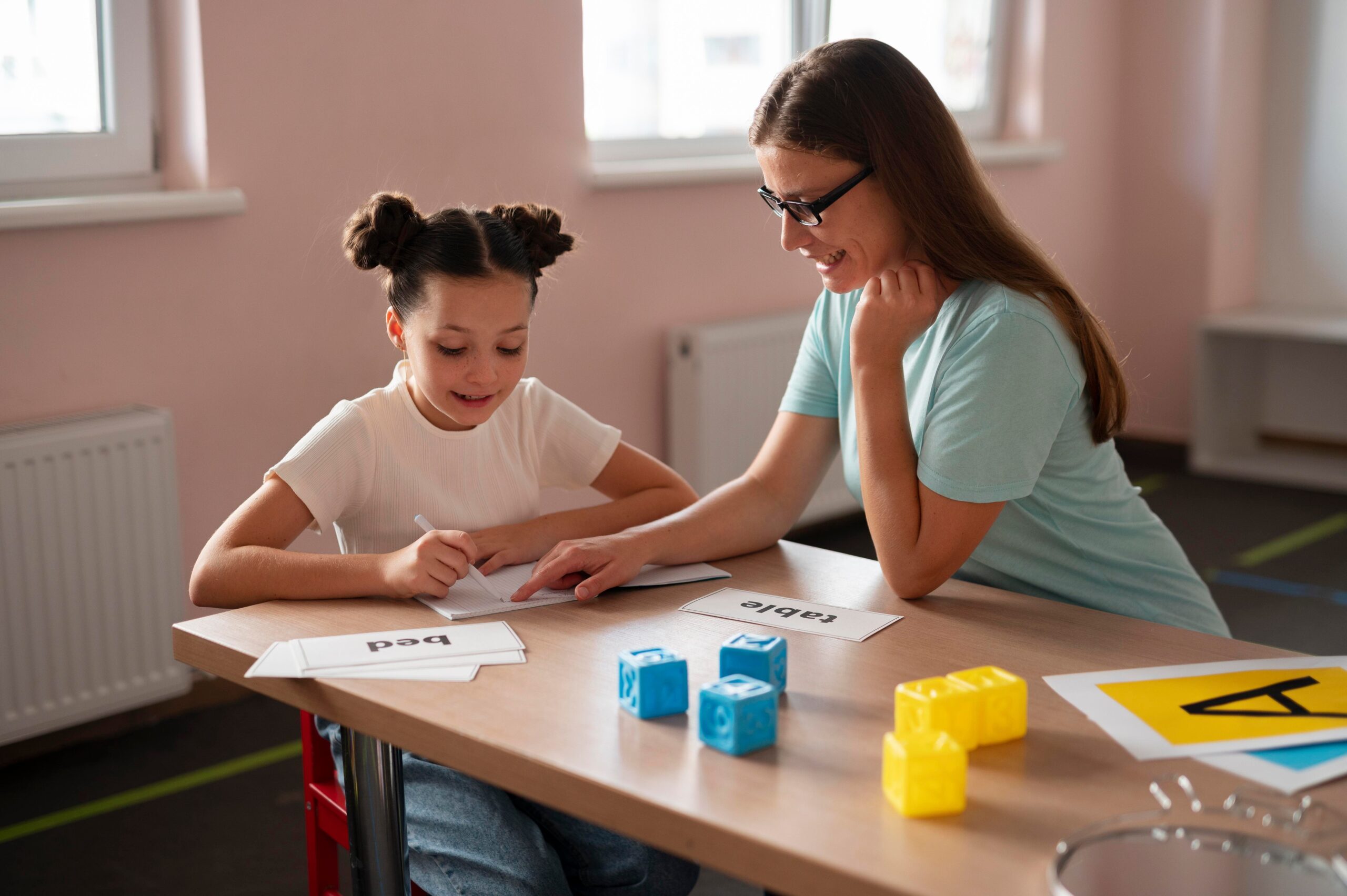
4 Steps for a Successful Transition
Transitioning from early intervention to kindergarten for autistic children can be a complex process, but with proactive planning and structured support, families and educators can ensure a smooth shift. Effective school transition autism strategies focus on early preparation, predictable routines, visual supports, and collaboration with educational teams.
1. Establish a Team & Plan Early: Start planning in early spring by coordinating with early intervention providers, preschool teachers, and the new school’s team. Early collaboration helps identify necessary supports, ensuring the child is prepared for kindergarten readiness.
2. IEP Transition Meeting: Schedule a formal transition Individualized Education Program (IEP) meeting to outline required classroom accommodations, services, and support strategies before the first day of school. An effective IEP transition is critical to maintain continuity and address the child’s needs.
3. Visit the New School: Arrange visits to the classroom, playground, cafeteria, and bus drop-off points. Practicing walking the route and experiencing the school environment helps reduce anxiety and builds familiarity.
4. Create a Child Profile/Booklet: Develop an “All About Me” portfolio to share with new staff. Include strengths, interests, communication methods, and calming strategies to support personalized transition planning.
Understanding the IEP Process and Parental Rights
The Individualized Education Program (IEP) is a legally binding, team-driven plan designed to support children with special education needs. Parents are equal partners in the process, with specific rights and responsibilities to ensure their child receives appropriate educational services.
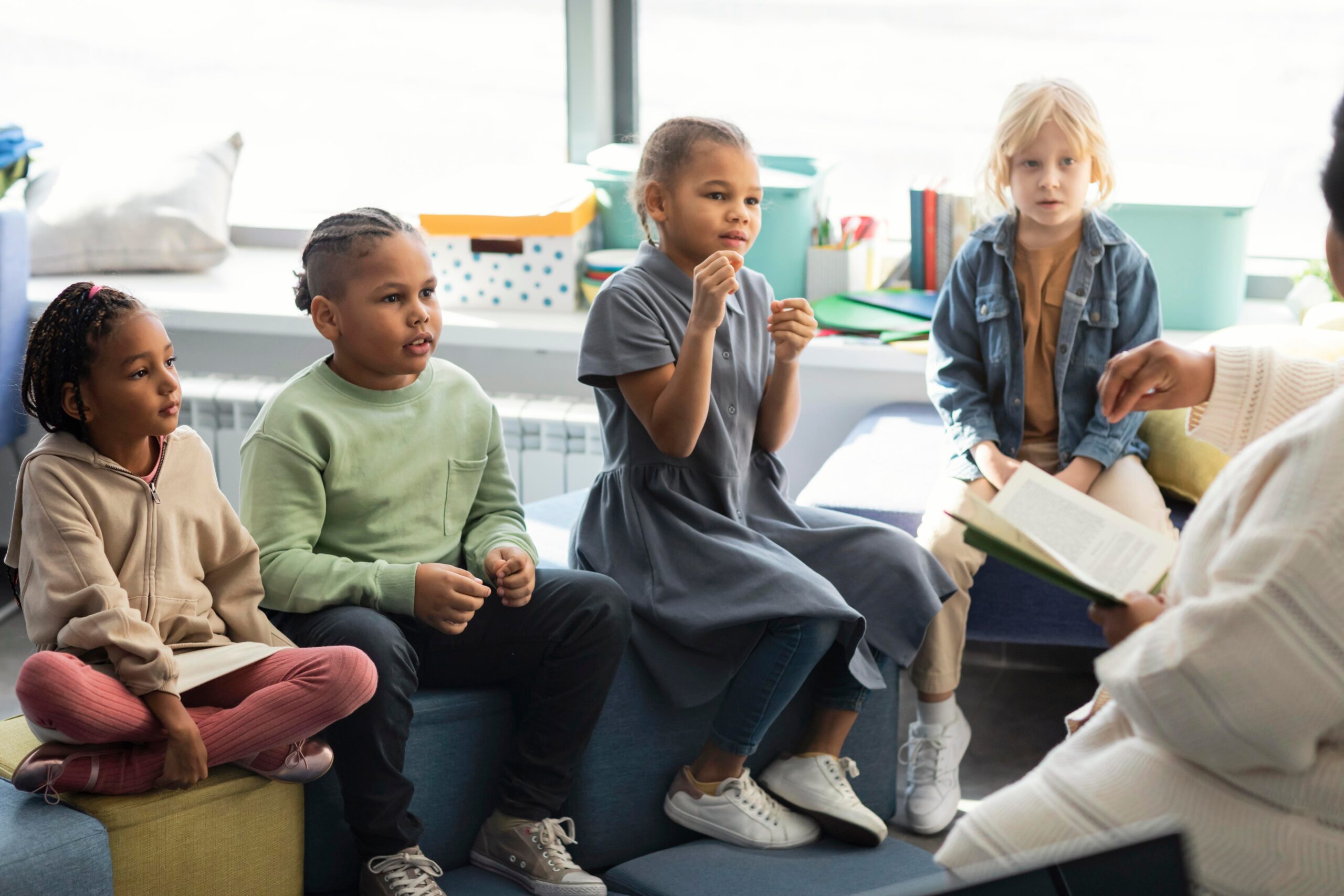 Key Aspects of the IEP Process
The Team & Process
The IEP team typically includes parents, teachers, school staff, and specialists. The process follows several steps: referral, evaluation, eligibility determination, IEP development, and annual reviews. Parents play an essential role at every stage.
Active Participation
Schools are required to invite parents to IEP meetings and schedule them at convenient times. Interpreters must be provided if needed, and parents may bring advocates, friends, or family members for support.
Pre-Meeting Access
Parents should receive a draft IEP before the formal meeting. Reviewing it in advance allows families to prepare questions, provide input, and make suggestions for their child’s education.
Access to Records
Parents have the right to review all educational records, including assessments, progress reports, and teacher notes. Full access ensures transparency and helps parents make informed decisions.
Disagreement Resolution
If parents disagree with the IEP or placement, they can request mediation, file a formal complaint, or seek an Independent Educational Evaluation (IEE) at the school’s expense.
Monitoring Progress
Annual goals are tracked and reported to parents regularly. This allows families to see measurable progress and hold the school accountable for providing effective services.
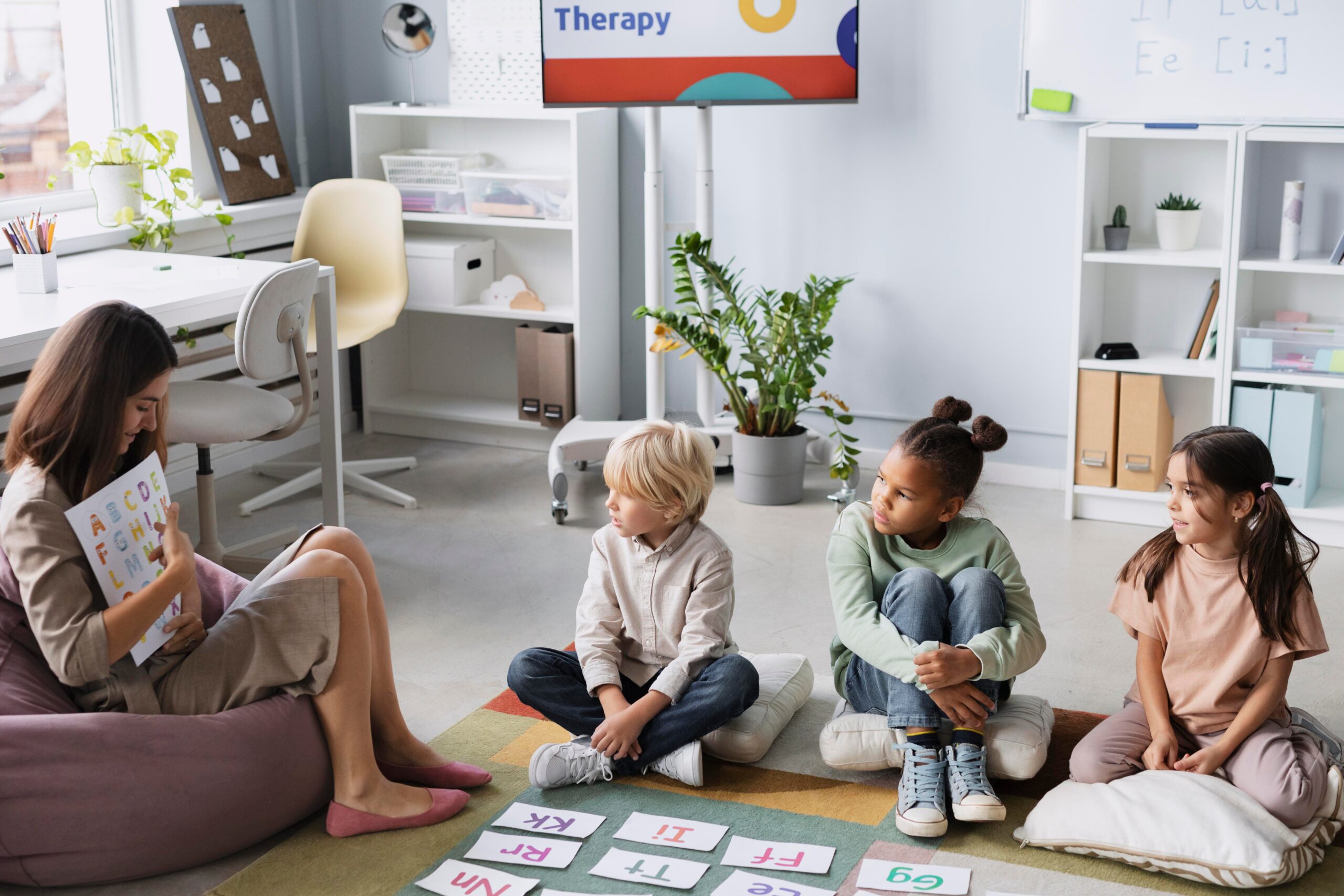
Tips for Maximizing Parent Involvement
Prepare Ahead
Review your child’s current progress and identify key concerns or achievements before the meeting. This helps focus the discussion and ensures meaningful participation.
Request Supporting Data
Ask for information or data that supports the school’s recommendations. Having concrete evidence makes it easier to advocate for your child’s needs.
Focus on Priorities
Identify one or two primary goals or concerns to address during the meeting. Trying to cover everything at once can be overwhelming and less effective.
Use Technology
If in-person attendance is difficult, use video platforms like Zoom or Google Meet to participate, review student work, and discuss data in real time.
Preparing for Independence and Future Success
School transition autism strategies also emphasize functional skills necessary for independence. Practicing communication, self-care, social interactions, and pre-academic skills at home builds confidence and prepares the child for a successful kindergarten experience.
Key Readiness Skills to Practice:
- Communication: Expressing needs, asking for help, following instructions.
- Self-Care: Toileting, dressing, managing personal belongings.
- Social/Behavioral: Sitting in groups, taking turns, managing transitions, and self-regulation.
- Pre-Academic: Recognizing names, colors, and basic classroom concepts.
Examples of Successful Transitions
A successful autism transition, whether for kindergarten, daily activities, or major life changes, is structured, predictable, and centered on self-regulation rather than compliance. By combining visual supports, social stories, sensory tools, and collaborative planning, children with autism can navigate transitions with confidence and independence.
Daily Activity Transitions
Use visual timers or “Now-Next” boards to move from one activity to another. For instance, after playing with Lego, a child puts pieces in a “completion box” to signal the end of the activity before starting the next task.
School Transitions
Visit the new classroom multiple times, take photos of the desk or environment, and meet the teacher beforehand. These steps reduce anxiety and build familiarity.
Adulthood or Future Transitions
Teens can practice goal-setting and autonomy by taking an active role in transition planning, using tools like BOOST-A to plan for employment or education.
Routine Changes
Rehearse new routines in advance, such as morning commutes or job schedules, to help individuals adapt comfortably to life changes.
Key Indicators of a Successful Transition
- Reduced Anxiety: The child understands what comes next and experiences less stress during changes.
- Increased Independence: Tools like timers and schedules allow the child to manage transitions themselves.
- Effective Communication: The child can request sensory breaks or additional time as needed.
- Consistency: Maintaining familiar routines, such as bedtime or morning rituals, helps provide stability amid change.
Supporting an autistic child through school transitions requires early planning, predictable routines, sensory preparation, and strong home-school collaboration.
Start your child’s journey toward confidence and independence. Contact Spirit ABA Therapy today to learn how our early intervention programs can support their growth and school readiness.
FAQs
- What is the IEP, and why is it important for school transitions?
The Individualized Education Program (IEP) is a legally binding plan that outlines educational goals, supports, and accommodations for children with special needs. It ensures your child receives personalized support during transitions, including moving from early intervention to kindergarten.
- How can I prepare my child for kindergarten as an autistic learner?
Early preparation is key. Use visual supports, social stories, practice daily routines at home (dressing, packing a backpack), and visit the school environment. These strategies help reduce anxiety and build independence.
- What are visual supports, and how do they help?
Visual supports include tools like “First/Then” boards, visual schedules, and timers. They help children understand routines, anticipate changes, and manage transitions between activities or environments.
- How can parents stay involved in the IEP process?
Parents are equal partners in the IEP process. You have the right to attend meetings, review records, request supporting data, provide input on goals, and bring advocates or interpreters to ensure your child’s needs are met.
- What strategies can reduce sensory challenges at school?
Identify potential triggers like loud noise or bright lights and provide tools such as noise-canceling headphones, fidget items, or a designated calm space. Consistency and communication with teachers also help children feel safe and focused.
- How do I know if my child’s transition is successful?
Indicators of a smooth transition include reduced anxiety, increased independence, effective communication of needs, and consistent routines. A successful transition is predictable, structured, and emphasizes self-regulation over compliance.

