


Key Points:
- Spirit ABA helps children build emotional regulation skills.
- ABA supports fewer meltdowns and smoother transitions.
- Families receive individualized support at home and school.

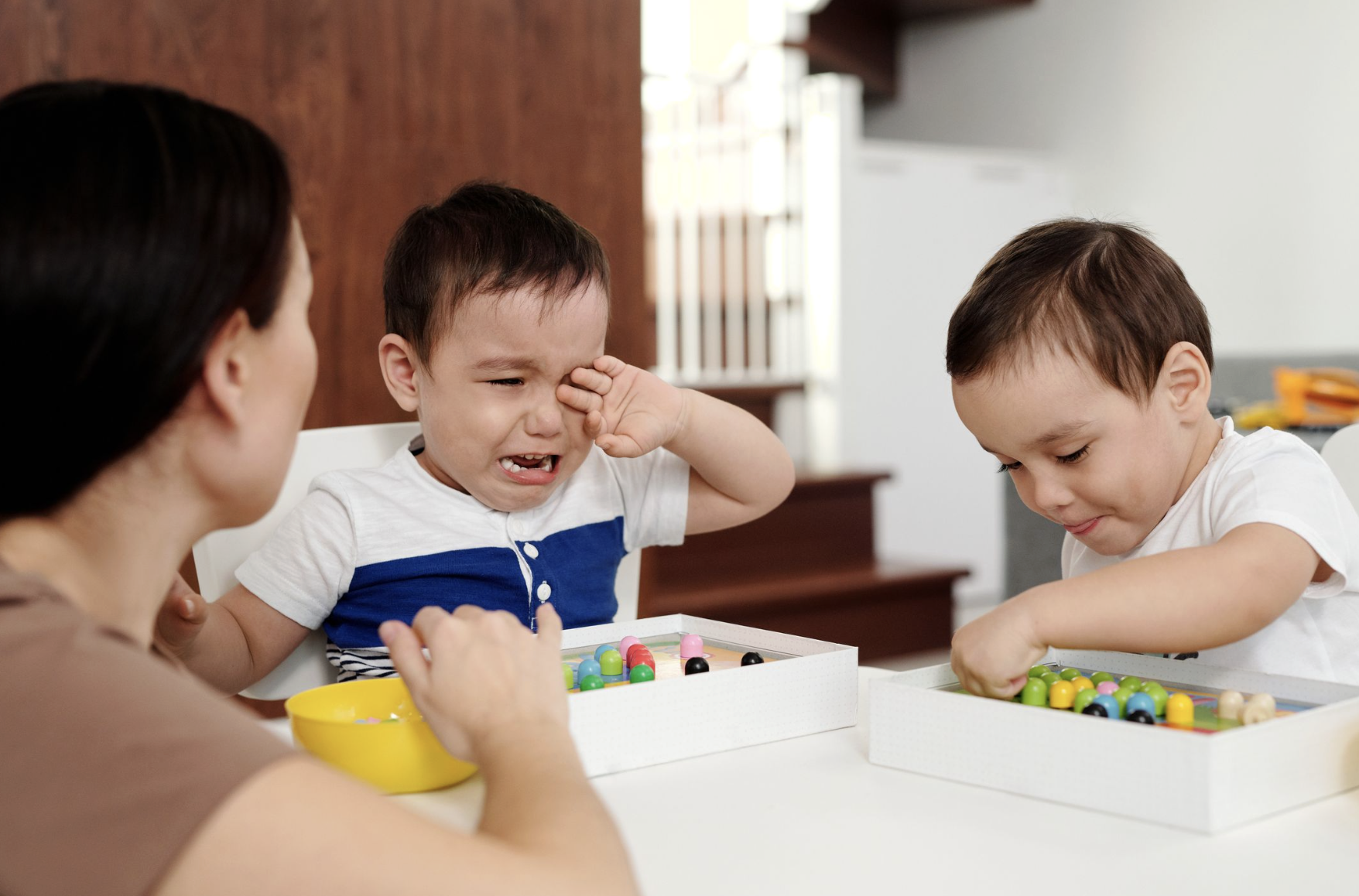
Has your child ever gone from calm to complete meltdown in seconds, leaving you wondering what just happened?
You are not alone. Big emotions can feel overwhelming for children with autism, and they can feel just as overwhelming for the parents trying to help.
At Spirit ABA, we work with families across six states to help children build emotional regulation skills. The goal is simple. We want your child to recognize their feelings, manage them, and recover when things go sideways.
Why Emotional Regulation Matters for Children with Autism
Children with autism often experience emotions intensely. A small disruption can feel huge. A change in routine can spark anxiety. Sensory input can tip the balance from calm to chaos in moments.
Without strong emotional regulation skills, children may:
- Have frequent meltdowns or shutdowns
- Struggle with transitions between activities
- Lash out toward themselves or others
- Avoid social situations
- Feel anxious or withdrawn at school
Emotional regulation in ABA approaches these challenges directly. They give children the tools to understand what they feel and respond in ways that work for them.
How ABA Teaches Emotional Regulation
ABA therapy breaks complex skills into small, teachable steps. Emotional regulation is no different. Children learn to notice their bodies, name their feelings, and choose coping strategies that fit the moment.
ABA emotional regulation techniques focus on three areas:
- Awareness: Helping children notice how their body feels when emotions rise
- Identification: Teaching feelings, autism therapists’ names, and linking to facial expressions, body cues, and situations
- Response: Giving children tools to calm themselves or ask for help
This work happens through play, modeling, and daily routines. Your child does not sit through a lecture. They learn while they live.
Common ABA Emotional Regulation Techniques
Therapists at Spirit ABA use a range of techniques tailored to each child’s needs. The most effective include:
1. ABA Feeling Identification Work
Children practice naming emotions in themselves and others. Therapists use:
- Picture cards showing different facial expressions
- Mirrors so children can study their own faces
- Books and videos that highlight emotions in characters
- Daily check-ins where the child points to how they feel
This kind of ABA feeling identification work builds the vocabulary children need to ask for help instead of melting down.
2. Body Awareness and Sensory Cues
Many children with autism do not notice the early signs of an emotion building. They go from fine to flooded with no warning. Therapists help children tune into their bodies:
- A racing heart might mean nervousness
- Clenched fists might mean angry
- A heavy chest might mean sad
Once children spot these signs early, they can act before the feeling takes over.

3. ABA Coping Skills Children Can Use Anywhere
ABA coping skills children practice in therapy work at home, in school, and out in the world. Common ones include:
- Deep breathing with a favorite stuffed animal
- Counting backward from ten
- Squeezing a sensory toy
- Asking for a quiet break
- Using a coping card with picture reminders
The skill matters less than the practice. Children build coping habits through repetition and reinforcement.
4. Visual Supports
Visual tools help children with autism understand abstract concepts like feelings. Therapists may use:
- Emotion thermometers that show levels from calm to upset
- Choice boards with calming activities
- Social stories that walk through tricky situations
- Schedules that reduce surprise and anxiety
These autism emotional control strategies turn invisible feelings into something a child can see and act on.
5. Parent Coaching
Managing the emotions of an autistic child depends on consistency between therapy and home. Our parent training teaches caregivers how to:
- Model calm responses
- Use the same language and visual cues
- Reinforce coping attempts
- Plan for tough transitions
When parents and therapists use the same approach, progress speeds up.

How Parents Can Support Emotional Regulation at Home
You do not have to wait for the next session to help your child grow. A few daily habits can make a noticeable difference:
- Name feelings out loud during everyday moments
- Stay calm when your child cannot
- Create a quiet space that your child can go to without asking
- Praise effort, not only success
- Keep routines steady when possible
Small, consistent steps build big changes over time.
For example, a child who often becomes overwhelmed during unexpected changes in routine, such as switching from playtime to cleanup, works on emotional regulation skills through ABA therapy.
Therapists and parents use visual supports, simple coping strategies, and consistent language to help the child recognize early signs of frustration. Over time, the child starts pausing, using a coping tool, and transitioning with far less distress, leading to calmer daily routines at home and school.
Need Support? Contact Us Today
Your child can build the skills to understand and manage their emotions. With the right support, big feelings stop running the house.
Call Spirit ABA at 303-276-3995 or email info@spiritaba.com to schedule your free consultation.
You can share your details on our Let’s Talk page, and our team will contact you.
Frequently Asked Questions
- At what age can my child start learning emotional regulation through ABA?
Children as young as two can begin building emotional regulation skills. Activities adjust based on age, language level, and developmental stage.
- How long does it take to see progress?
Every child moves at their own pace. Many families notice small changes within the first few weeks, with larger growth over months of consistent therapy.
- Will my child still have meltdowns?
Meltdowns may continue at first, but they often become less frequent and less intense over time. The goal is not to prevent feelings, but to help your child manage them.
- Can ABA help my older child, who already struggles with big emotions?
Yes. Older children benefit from ABA emotional regulation techniques. Treatment plans adjust to match their age and goals.
- Do you teach emotional regulation in telehealth sessions?
Yes. Many emotional regulation strategies translate well to telehealth, especially when parents participate in sessions.

