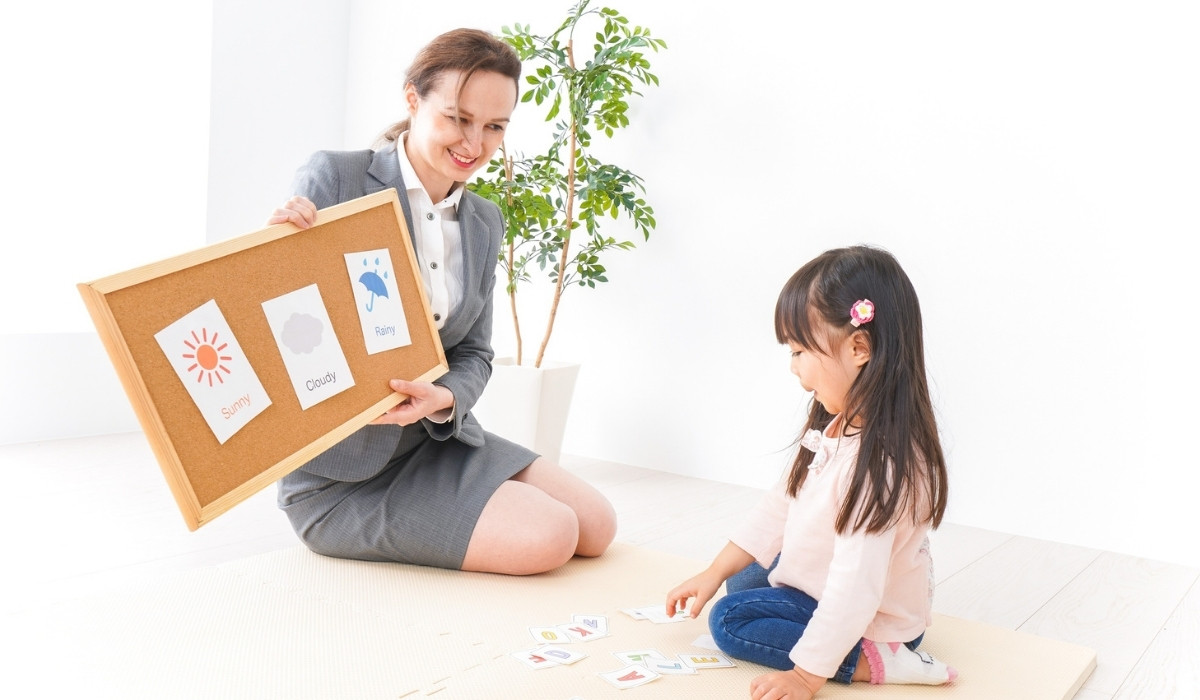

Key Points: Functional communication training (FCT) helps children replace challenging behaviors with meaningful, appropriate communication. FCT is a core strategy used in ABA therapy to teach kids how to express…
Key Points: Parent training autism programs empower families with tools to support their child’s development. Evidence-based techniques like ABA therapy, communication strategies, and self-care are essential for parents. Community support…
Key Points: Play in autism may look different, but it is just as meaningful and beneficial for growth and connection. Understanding the types of play helps parents support social, emotional,…
Key Points: ABA therapy is most effective when started early, often between ages 2–5, but it can benefit individuals at any age. Starting therapy early takes advantage of critical developmental…
Key Points: ABA therapy can support speech development in children with autism, though it’s not a replacement for speech therapy. Techniques like prompting, reinforcement, and shaping are used to encourage…
Key Points: ABA therapy is primarily designed for individuals with an autism spectrum disorder diagnosis but can sometimes benefit others with developmental delays. Age, diagnosis, and insurance requirements often determine…
Key Points: The amount of ABA therapy a child needs depends on their individual needs, goals, and family circumstances. Full-time (intensive) and part-time (focused) programs are the most common options,…
Key Points: Reinforcement in ABA is a way to encourage positive behaviors by following them with meaningful rewards. There are two main types of reinforcement—positive and negative—and both can be…
Key Points: Naturalistic ABA focuses on teaching skills within a child’s everyday environment and activities. This approach helps children with autism generalize skills and stay motivated during learning. Parents can…
Key Points: Many adults, including parents, may be on the autism spectrum without a formal diagnosis. Common signs of autism in adults include difficulty with social interactions, sensory sensitivities, and…