Key Takeaways: Recognize and respond to safety risks: Autistic individuals may struggle to recognize danger, experience sensory overload, or wander (elope) in unsafe situations. Identifying early warning signs is critical…
Key Takeaways: Recognize and respond to safety risks: Autistic individuals may struggle to recognize danger, experience sensory overload, or wander (elope) in unsafe situations. Identifying early warning signs is critical…

Key Takeaways: Autism impacts the whole family: Caring for an autistic individual affects the emotional, physical, and social well-being of all family members. Adopting a whole-family perspective — strengthens empathy…

Key Takeaways: Autism + mental health overlap is common but under-discussed: Autistic individuals are at higher risk for anxiety, depression, and autistic burnout, yet these challenges are often overlooked or…

Key Takeaways: Puberty brings unique challenges for autistic teens: Hormonal, physical, and emotional changes can intensify sensory sensitivities, mood swings, and social stress, making hygiene, routines, and peer interactions more…

Key Points: Functional Communication Training empowers children with autism to replace challenging behaviour by learning to use communication effectively. This guide explains how to identify the function of behaviour and…

Key Points: Demand avoidance in autistic children involves resisting even simple requests because they feel overwhelming or threatening to their sense of control. This behaviour often roots in anxiety, sensory…
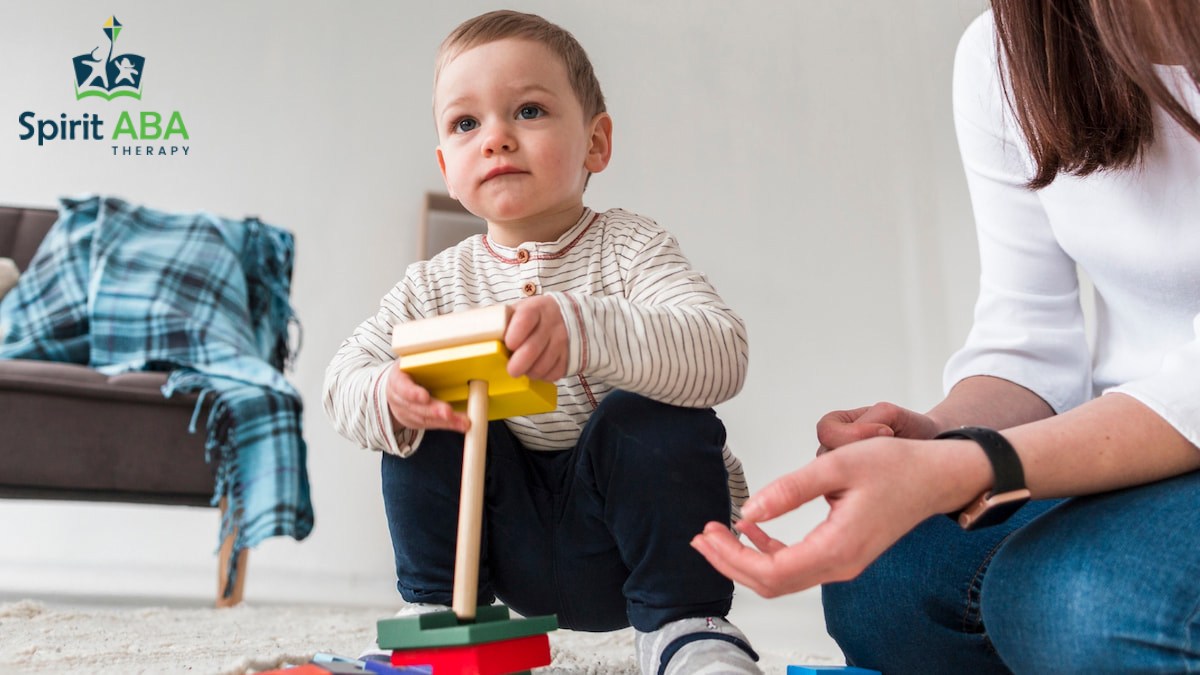
Key Points: Recognising subtle communication and social-interaction delays helps parents catch autism risk earlier. Identifying repetitive behaviours, sensory sensitivities and strict routines can guide proactive support. Early observation and appropriate…

Key Points: Asperger’s once described individuals with strong language skills, minimal intellectual delay, and social and repetitive-behaviour challenges under the autism umbrella. Autism spectrum disorder (ASD) now covers a wide…

Key Points: Autism is classified as a neurodevelopmental disorder rather than a mental illness, helping parents understand its nature and how to support their child. Core traits include challenges in…

Key Points: Autism language goals should be specific, measurable, and tailored to each child’s communication needs. Goals often target expressive, receptive, and social communication skills. A mix of structured therapy…

© 2025 Spirit ABA Therapy. All rights reserved.