


Key Points:
- Independence skills empower children with autism by building confidence, self-reliance, and the ability to participate in daily life at home, school, and in the community.
- ABA strategies like task analysis, visual supports, and reinforcement make learning self-care, grooming, dressing, feeding, and hygiene skills structured, manageable, and motivating.
- Consistent practice, gradual skill-building, and real-world application help children generalize independence skills across settings, fostering lifelong functional abilities and autonomy.
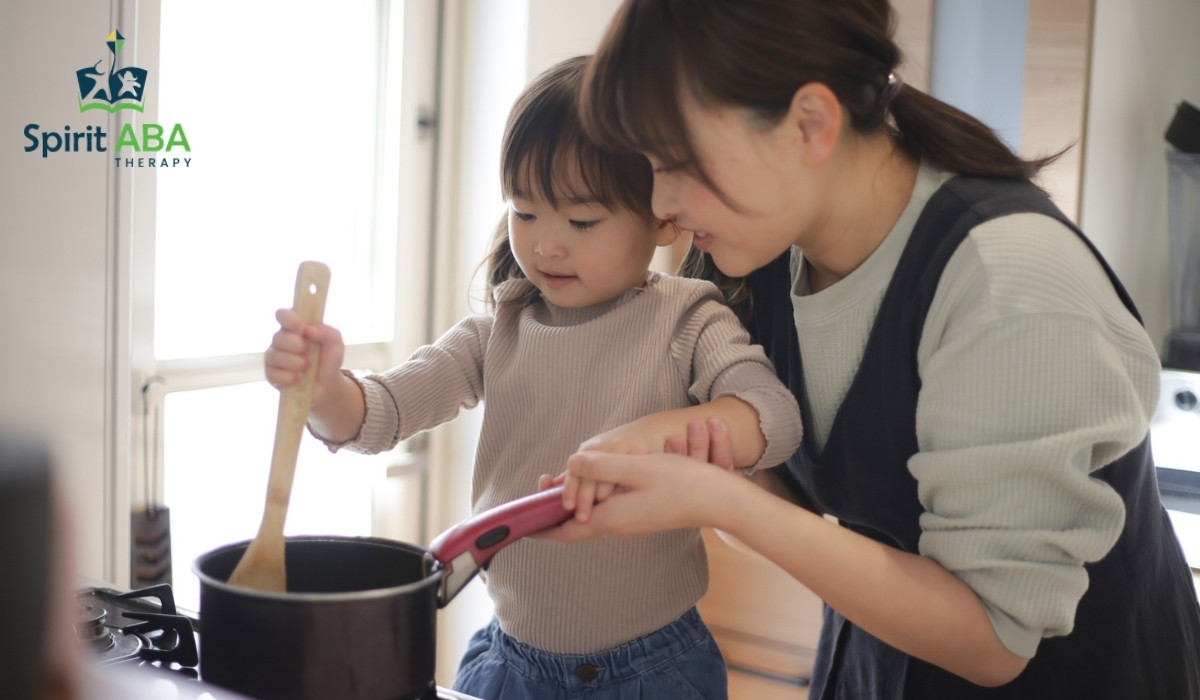
Helping children with Autism Spectrum Disorder (ASD) develop self-care and independence skills is a key part of supporting their growth, confidence, and daily functioning. Teaching activities of daily living (ADLs), like grooming, dressing, feeding, and hygiene, empowers children to participate more fully in home, school, and social environments.
This guide explores practical strategies to teach self-care skills for autism, highlights essential milestones, and provides tips for promoting lasting independence.
Key Reasons Children with Autism Struggle with Independence
Executive Function Deficits: Many autistic children have difficulty organizing, planning, and initiating tasks, which are essential for mastering activities of daily living, including dressing skills, feeding independence, and hygiene training.
Sensory Sensitivities: Overwhelming sensory input can make it challenging to navigate public spaces, school routines, or unfamiliar environments independently.
Cognitive Inflexibility: A preference for sameness and difficulty adapting to change can make learning new self-care or grooming skills for autism feel overwhelming.
Communication Challenges: Limited verbal skills or social communication difficulties may hinder a child’s ability to ask for help, follow instructions, or complete tasks like dressing, feeding, or hygiene routines independently.
Anxiety and Self-Regulation: High levels of anxiety, common in autism, can lead to avoidance of new or challenging tasks, slowing the development of independence skills.
Difficulty Generalizing Skills: Children may learn a skill in one environment, such as feeding independence at school, but struggle to apply it at home or in the community.
Lack of Practice Opportunities: Daily life skills, like money management, cooking, self-care, or hygiene training for autism, may not be taught consistently or practiced in real-world contexts.
With individualized support, structured routines, and visual tools, children with autism can gradually develop essential independence skills, including self-care, grooming skills, dressing skills, feeding independence, and activities of daily living, enabling them to thrive both at home and in the community.
Why Teaching Self-Care Skills Matters
Children with autism often experience challenges with motor coordination, sensory sensitivities, and executive functioning, which can make daily routines more difficult. Teaching independence skills not only helps with everyday life but also boosts self-esteem, reduces caregiver stress, and encourages social participation.
Mastering activities of daily living (ADLs), from brushing teeth to putting on clothes, forms the foundation for lifelong independence.
 How ABA Therapy Fosters Independence in Children with Autism
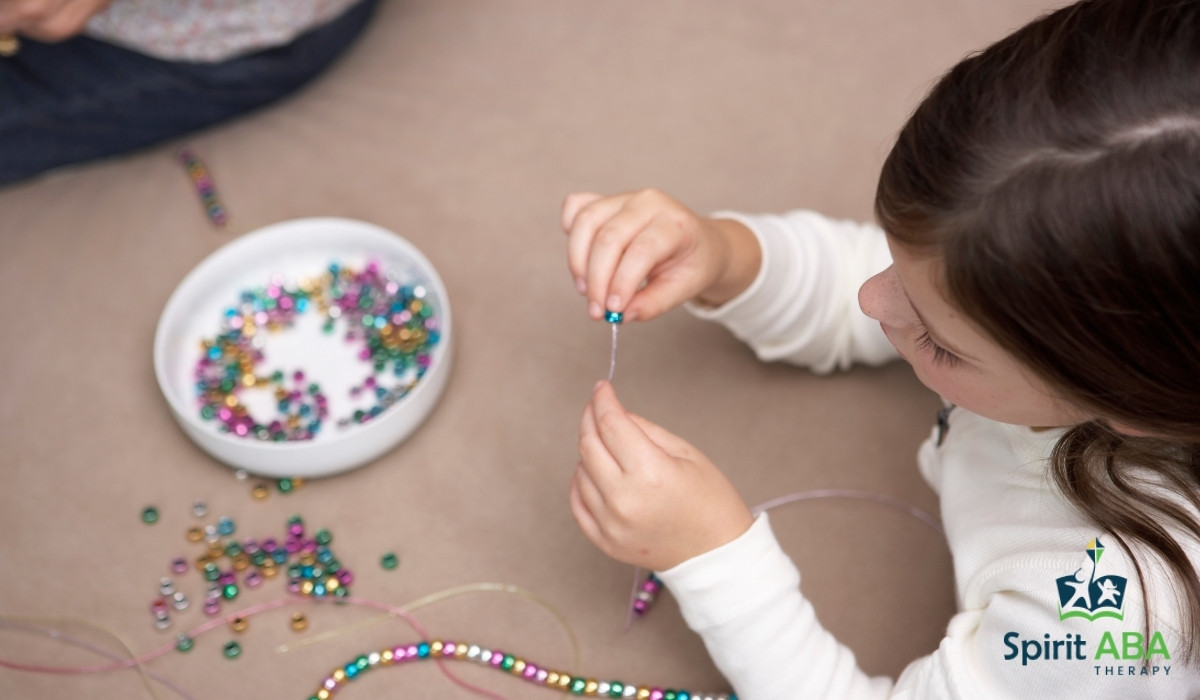
Applied Behavior Analysis (ABA) therapy is highly effective in teaching independence skills and building self-care abilities for children with autism. ABA uses structured, evidence-based methods to help children master activities of daily living while promoting confidence and self-reliance.
Key ABA Strategies for Teaching Independence
Task Analysis & Chaining: Complex daily routines are broken into manageable steps. For instance, hygiene training like handwashing can be taught in sequences: turning on the faucet, applying soap, scrubbing, rinsing, and drying. Similarly, dressing skills can be taught step by step, from putting on socks to fastening buttons.
Positive Reinforcement: ABA reinforces desired behaviors immediately, increasing the likelihood that children will repeat essential self-care tasks, such as getting dressed, feeding, or completing personal hygiene routines.
Prompting & Fading: Therapists use physical, verbal, or visual cues to guide children through a task, gradually reducing prompts to encourage independent completion of skills like grooming, dressing, and feeding.
Skill Generalization: Children learn to apply self-care and daily living skills across different settings, practicing hygiene training in the bathroom, feeding independence at mealtimes, or using dressing skills at school and home, ensuring they can function in varied environments.
Visual Supports: Picture schedules, checklists, and visual cues help children follow routines for chores, grooming, packing bags, or personal care without constant verbal reminders.
Safety Skills: ABA also teaches essential safety habits, such as recognizing dangers, following emergency procedures, or waiting for traffic signals, which are critical for fostering overall independence.
 Independence Training for Children with Autism: In Practice
Independence training for children with autism focuses on building functional life skills, fostering self-reliance, and reducing the need for constant supervision. Using personalized ABA strategies, children can gradually develop autonomy at home, school, and in the community.
1. Self-Care, Hygiene, and Feeding Skills
Teaching independence in self-care helps children with autism build confidence and daily life skills. ABA strategies like step-by-step instruction, visual supports, and reinforcement make learning manageable and motivating.
Dressing Skills: Backward Chaining
Caregivers complete most of the task (e.g., zipping 90% of a coat) and let the child finish the final step. Gradually, more steps are shifted to the child until they can dress independently.
Hygiene Routines
- Visual Checklists: Laminated picture charts in the bathroom guide children through brushing teeth, washing face, using deodorant, and combing hair. This reduces the need for verbal prompts.
- Hand-over-Hand Guidance: For children with higher support needs, guide their hands during grooming tasks, gradually fading assistance as mastery grows.
Example: 5-Step Toothbrushing Routine
- Familiarization: Let the child explore the toothbrush (holding or playing with it) without toothpaste to reduce anxiety.
- Visual Schedule: Use a picture chart for each step: Toothbrush → Toothpaste → Sink → Brush Top → Brush Bottom → Spit.
- Gradual Introduction: Start brushing for 10 seconds, gradually increasing as the child becomes comfortable.
- Sensory Adjustments: Use preferred toothpaste flavors or textures to reduce sensory resistance.
- Physical Prompting: Begin with hand-over-hand guidance, then fade to pointing or verbal cues as the child masters the routine.
Feeding Independence
Step-by-step or visual guides help children learn to serve snacks, use utensils correctly, and clean up after meals. Introduce one component at a time, e.g., cutting food first, then using a fork, to build confidence and reduce overwhelm.
Reinforcement Strategies
- Token System: Reward each successful brushing session with a sticker or mark on a chart. After collecting a set number (e.g., 5), provide a small prize or preferred activity.
- Pairing: Combine routines with enjoyable activities, such as a favorite song, short video, or game, to make hygiene and feeding more appealing.
2. Daily Routines and Household Chores
- Visual Schedules: A “Now–Next–Then” board helps structure daily activities and ease transitions. Example: Now – Clean room, Next – Eat lunch, Then – Screen time.
- Task Analysis for Chores: Break chores into smaller, manageable steps. For instance, loading a dishwasher can include: Open door → Place cup on top rack → Place plate on bottom rack → Close door. Each step is practiced individually before completing the entire task independently.
- Timers for Independent Play: Visual timers show how long a child should play alone, gradually increasing the duration to encourage self-reliance in leisure activities.
3. Community and Safety Skills
- Gradual Grocery Shopping:
- Level 1: Observe parent buying items
- Level 2: Interact at the register with supervision
- Level 3: Complete purchases independently
- Travel Training: Picture maps and role-playing help children navigate public transportation safely, including asking for help and following routes.
- Emergency Contact Identification: Carrying a wallet card with their name, address, diagnosis, and caregiver contact information supports safety and independence.
4. Decision-Making and Problem-Solving
- Choice Boards: Offer limited, concrete choices to encourage decision-making, such as “Do you want to wear the blue shirt or the red shirt?”
- Role-Playing Scenarios: Practice problem-solving with “fix-it” situations like a late bus or lost item to build flexibility, decision-making, and adaptive skills.
10 Tips for Teaching Independence Skills
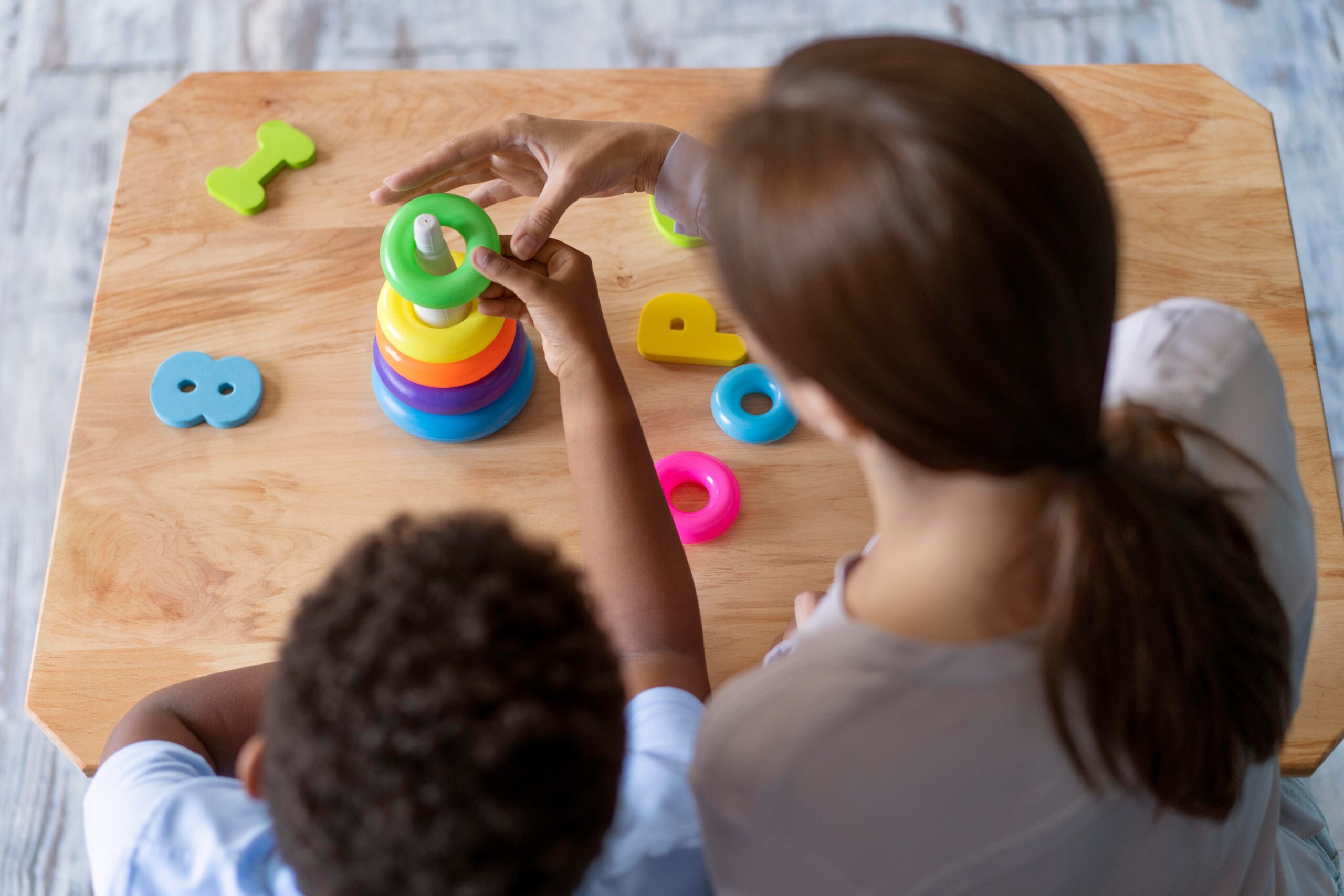
- Use visual supports: Pictures, charts, and timers help children understand the sequence of steps.
- Incorporate consistency: Practicing routines at the same time each day reinforces learning.
- Break tasks into small steps: Focus on mastery of one step before moving to the next.
- Encourage choice and autonomy: Letting children pick clothes or snacks fosters independence.
- Celebrate small successes: Positive reinforcement encourages continued effort and motivation.
- Sensory Needs: If the task is overwhelming. For example, the texture of toothpaste, try brushing with just water first or dry brushing to help the child adapt gradually.
- Avoid Force: Never force brushing. Gradually introducing the sensations allows the child to feel in control and reduces negative associations.
- Positive Reinforcement: Reward small successes to encourage repetition of desired behaviors, such as putting on shoes independently or completing a hygiene routine.
- Use Interests as Motivators: Incorporate favorite topics, characters, or activities into skill practice to increase engagement and motivation.
- Generalization Across Settings: Practice skills in multiple environments, home, school, and the community, to ensure children can apply self-care and daily living skills wherever they go.
With consistent support, visual aids, and structured practice, children with autism can master essential independence skills, paving the way for greater self-reliance and confidence in daily life.
For parents looking for guidance with teaching independence skills, Spirit ABA can provide personalized support, contact us.
 FAQs
FAQs
- What are independence skills, and why are they important for children with autism?
Independence skills are functional life skills that help children complete everyday tasks without constant adult supervision. Teaching skills like self-care, dressing, grooming, feeding, and hygiene training fosters confidence, reduces caregiver stress, and prepares children for daily life at home, school, and in the community.
- How can ABA therapy help children develop self-care skills?
ABA therapy uses structured strategies like task analysis, chaining, prompting and fading, positive reinforcement, and skill generalization to teach children self-care and activities of daily living (ADLs). This approach helps children gradually master grooming, dressing, feeding, and hygiene routines independently.
- What strategies can parents use at home to teach independence skills?
Parents can use visual supports like checklists, picture schedules, and timers, break tasks into small steps, incorporate interests as motivators, and provide positive reinforcement. Techniques like backward chaining and hand-over-hand assistance can help children gain mastery over grooming, dressing, feeding, and hygiene skills.
- How do children practice independence skills in daily routines?
Daily routines, such as household chores, mealtimes, and morning hygiene, can be taught using visual schedules, step-by-step instructions, and task analysis. For example, teaching a child to load a dishwasher or brush their teeth can be broken into small, manageable steps to build confidence.
- How can independence skills be applied in the community?
Skills like grocery shopping, using public transportation, and emergency safety can be taught gradually through role-playing, picture maps, and supervised practice. Children learn to navigate real-world situations independently while reinforcing self-care and daily living skills learned at home.
- How can Spirit ABA help my child develop independence skills?
Spirit ABA provides personalized support and ABA-based strategies to teach self-care, grooming, dressing, feeding, and hygiene. Our team works closely with families to create structured programs, monitor progress, and promote lasting independence. Contact us to get started.

