

Key Points:
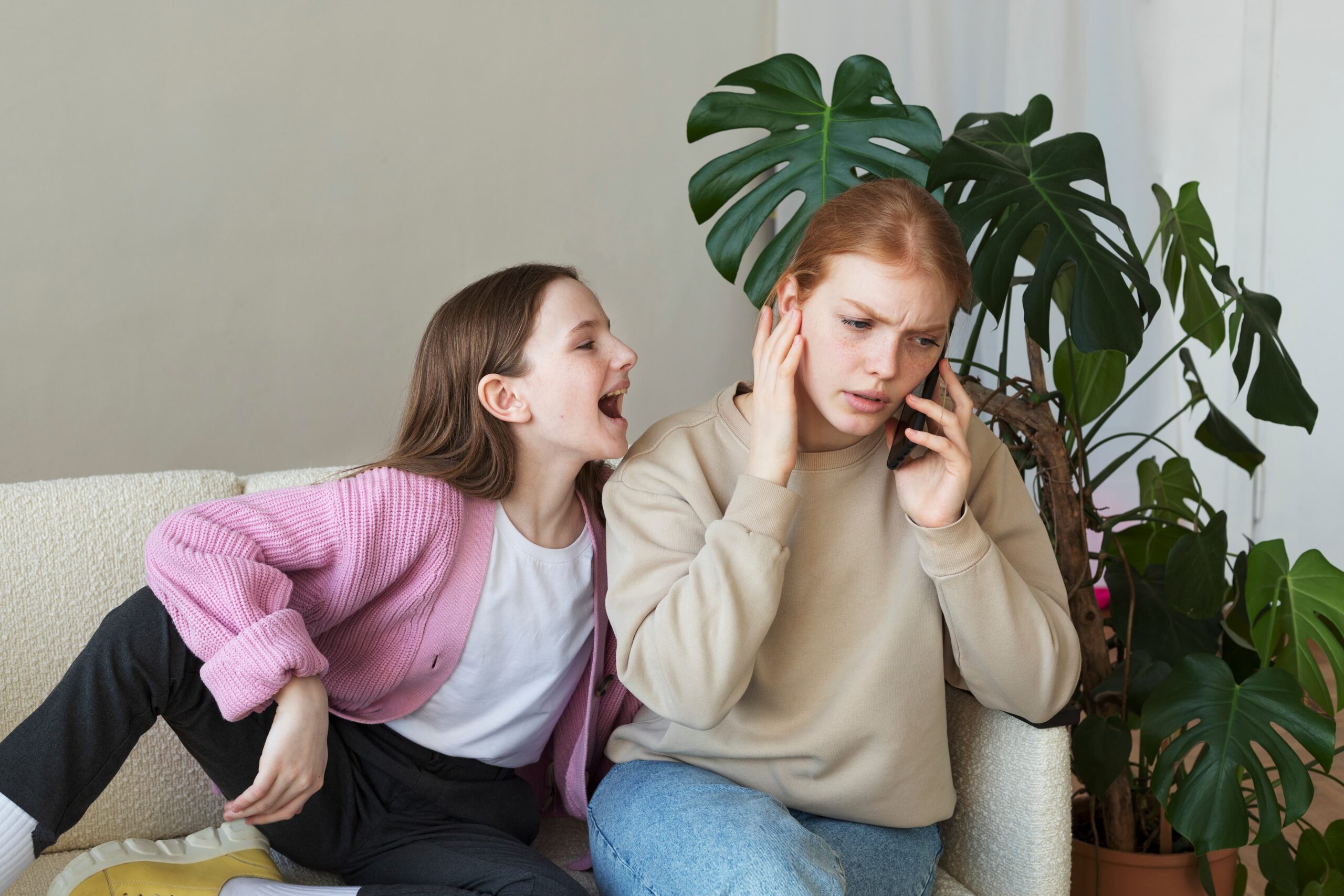
- Screaming and loud vocalizations are communication: These behaviors often indicate distress, sensory overload, or unmet needs rather than intentional misbehavior.
- Vocal stereotypy serves a purpose: Repetitive or loud sounds help autistic children self-regulate, manage anxiety, or provide sensory stimulation.
- ABA and supportive strategies are effective: Evidence-based interventions, environmental adjustments, and functional communication training can reduce disruptive behaviors while respecting the child’s need for self-expression.
 Screaming or Yelling in Autistic Children Is Communication, Not Misbehavior
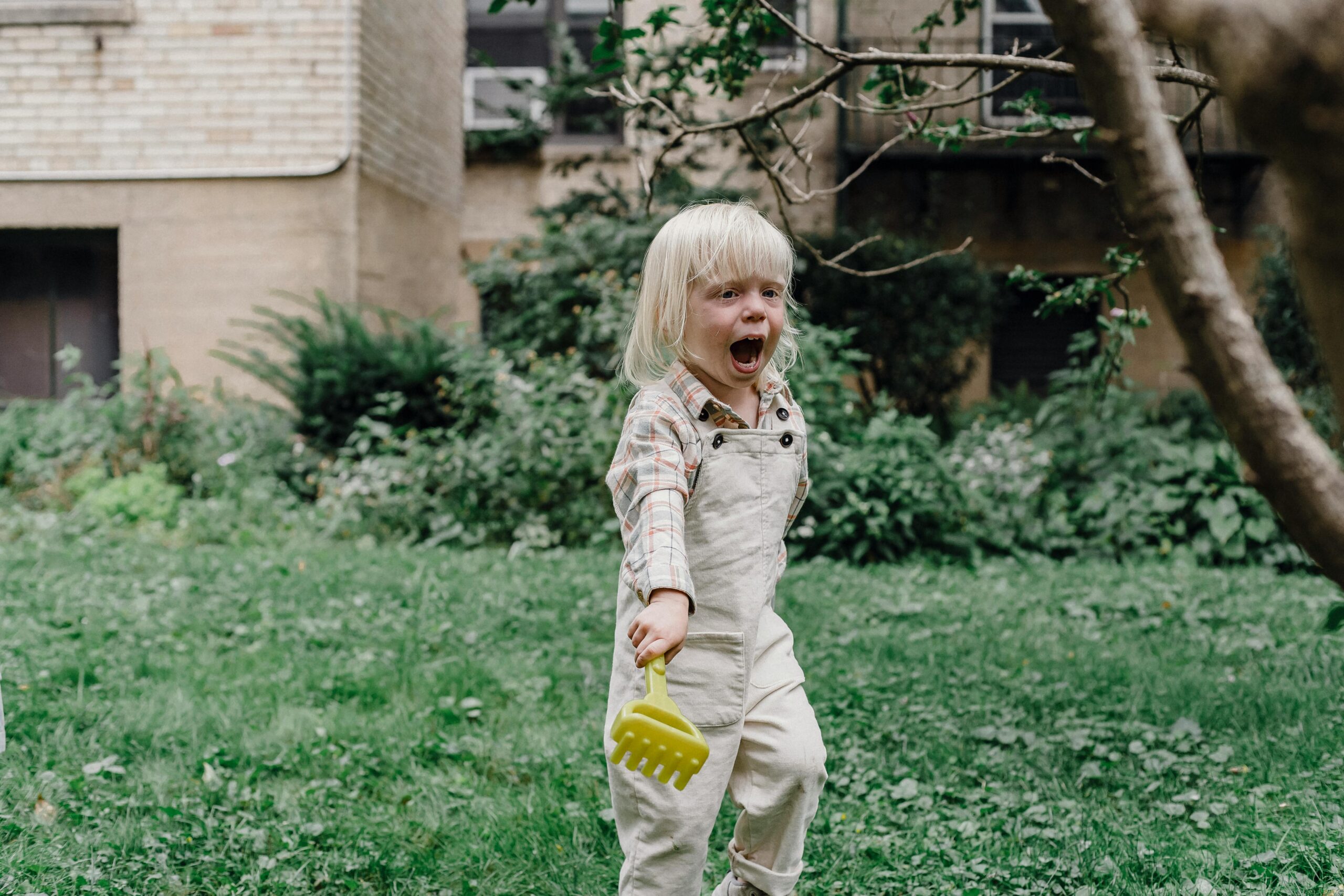
Autistic children often use screaming and loud vocalizations as a functional, non-verbal way to communicate distress, sensory overload, or unmet needs. These behaviors are not intentional misbehavior but a form of communication when language is limited. Understanding why they occur and how to address them is essential for parents, educators, and caregivers.
Vocal Stereotypy
Vocal stereotypy, sometimes called vocal stimming, involves the repetition of non-functional, automatic sounds like humming, grunting, scripting, or noise-making. These behaviors provide sensory stimulation or help regulate emotions.
Common forms include:
- Repetitive noises: Humming, grunting, shrieking, or sound effects.
- Scripting/Echolalia: Repeating phrases from books, movies, or conversations.
- Word repetition: Vocalizing specific words out of context.
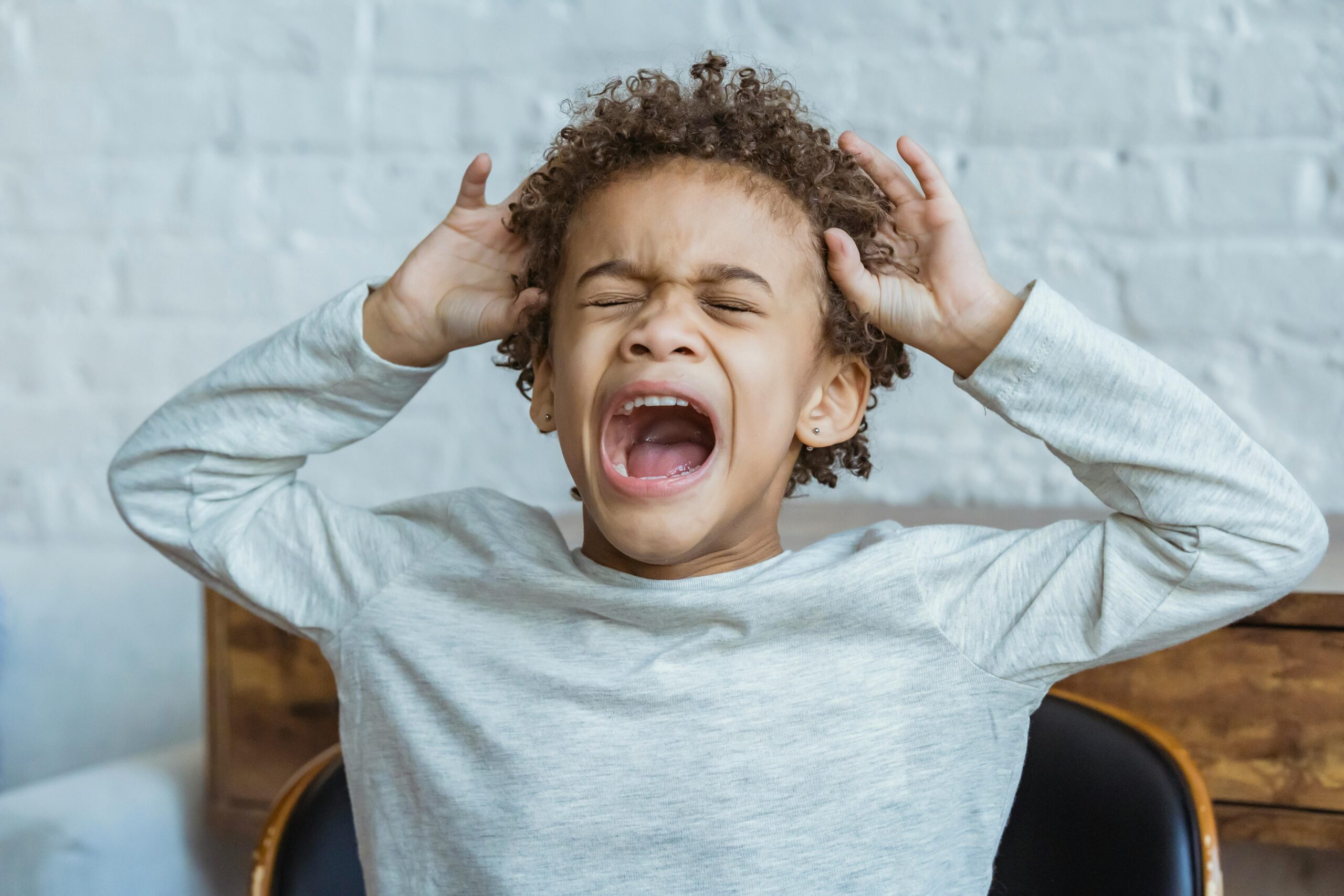
- Loud vocalizations: Screaming or yelling for intense sensory stimulation.
Why it happens:
- Self-stimulation (stimming): Provides pleasurable sensory input.
- Self-regulation: Helps calm anxiety or cope with overwhelming environments.
- Boredom or under-stimulation: Fills silence or stimulates senses.
- Sensory blocking: Masks unwanted or overwhelming environmental noise.
Key Reasons for Screaming, Vocal Stereotypy, and Loud Vocalizations in Autism
Screaming often signals intense distress. Common triggers include:
- Sensory overload: Loud noises, bright lights, or uncomfortable textures.
- Communication difficulties: Screaming as a last-resort expression of frustration.
- Meltdowns & emotional regulation: Overwhelm leading to involuntary yelling.
- Escape/avoidance: Reaction to stressful or demanding situations.
- Physical discomfort: Pain, fatigue, hunger, or illness.
- Unexpected changes: Anxiety from sudden changes in routine.
Understanding that screaming is communication, not misbehavior, is key for effective support.

Managing Screaming, Vocal Stereotypy, and Loud Vocalization Episodes
Prevention and intervention strategies include:
- Stay calm and quiet: Use a neutral, low tone to avoid escalating agitation.
- Minimize demands: Reduce instructions and avoid reasoning during meltdowns.
- Ensure safety: Remove hazards and create space to prevent harm.
- Wait for calm: Avoid immediately removing triggers to prevent reinforcing escape behaviors.
Reducing Autism-Related Screaming with ABA
Applied Behavior Analysis (ABA) focuses on understanding the function of the behavior, attention-seeking, escape, or sensory needs, and teaching functional alternatives.
Common ABA strategies include:
- Functional Assessment: Identify why the child screams to guide interventions.
- Functional Communication Training (FCT): Teach words, signs, or PECS to replace screaming.
- Positive Reinforcement: Reward calm behavior or functional communication immediately.
- Proactive Environmental Control: Use visual schedules and predictable routines to reduce anxiety.
- Sensory Support: Noise-canceling headphones, fidget toys, or sensory items can prevent screaming.
- Neutral Reaction/Extinction: Withhold attention during attention-driven screaming, reinforcing positive behavior afterward.
- Safe Space Creation: Provide a calming area with dim lighting and comforting items for de-escalation.
ABA Strategies in Practice
- Response Interruption and Redirection (RIRD): Interrupt vocalizations and redirect the child to a simple, incompatible task (e.g., answering a question, imitating a movement, or reciting a phrase).
- Environmental Enrichment & Masking Sounds: Background music or white noise reduces the urge to make loud vocalizations.
- Designated Stimming Zones: Allow vocal stimming in a quiet, comfortable space without disrupting others.
- Replacement Behaviors: Offer alternatives that provide similar sensory input but are less disruptive (e.g., whispering, humming, singing, or using a fidget toy).
- Headphones or Auditory Supports: Listening to calming music or soft sounds can reduce the need for vocalizations.
- Stimulus Discrimination Training (Red/Green Cards): Visual cues teach when vocal stimming is appropriate:
- Green card: Free to stim
- Red card: Hold off in this context
Example Scenario
Situation: A 7-year-old shrieks in the classroom during independent work.
Approach: Using RIRD, the teacher asks: “What is your name?” followed by “What is your favorite color?” and identifying a pencil. The child completes the task, redirecting attention from the vocalization.
Alternative: If the behavior is sensory-driven, the child can use a “cozy corner” or headphones with soft music.
 Key Considerations for Noisy Scenarios
- Identify triggers: Determine if behavior stems from boredom, overstimulation, or stress.
- Professional support: Occupational therapists and speech-language pathologists can provide tailored strategies.
- Acceptance: Non-harmful vocalizations may be allowed in appropriate settings to support emotional regulation.
When to Seek Professional Support
Consult a Board Certified Behavior Analyst (BCBA) if vocalizations:
- Cause physical harm (e.g., throat strain).
- Significantly disrupt learning or daily routines.
- Cause severe distress to the child or family.
ABA, combined with occupational therapy or speech therapy, provides an individualized plan to manage screaming in autism, loud vocalizations, and vocal stereotypy effectively.
At Spirit ABA, we support parents by helping them understand their child’s behaviors and implement strategies at home. Our team provides practical tools, coaching, and guidance to reduce stress, reinforce positive behaviors, and foster a calmer, more communicative environment. Reach out today.
 FAQs
FAQs
- Why does my child scream or make loud noises so often?
Screaming and loud vocalizations in autism are often a form of communication. Children may be expressing distress, sensory overload, unmet needs, or frustration when verbal language is limited. Vocal stereotypy or “vocal stimming” may also serve to self-regulate or provide sensory input.
- What is vocal stereotypy, and how is it different from screaming?
Vocal stereotypy refers to repetitive, non-functional sounds like humming, scripting, grunting, or shrieking. While screaming is often a reaction to distress or a trigger, vocal stereotypy is typically used for self-stimulation or emotional regulation. Both behaviors can overlap.
- How can I manage screaming or loud vocalizations at home?
Effective strategies include: staying calm, minimizing verbal demands during outbursts, providing sensory supports (like headphones or fidget toys), using visual schedules, and teaching functional communication alternatives. Safe spaces for stimming and positive reinforcement of calm behavior also help.
- How does ABA therapy help reduce screaming and vocal stereotypy?
ABA (Applied Behavior Analysis) identifies the function of the behavior, whether it’s to escape, gain attention, or meet sensory needs, and teaches functional alternatives. Techniques include Functional Communication Training (FCT), Response Interruption and Redirection (RIRD), replacement behaviors, and reinforcement of positive behaviors.
- When should I seek professional support for loud vocalizations?
You should consult a Board Certified Behavior Analyst (BCBA) or relevant specialists if:
- The vocalizations cause physical harm (e.g., throat strain).
- They significantly disrupt learning, daily routines, or social interactions.
- The behavior causes distress for your child or family.
- How can Spirit ABA support parents in managing these behaviors?
Spirit ABA helps parents understand the function of their child’s behaviors and implement effective strategies at home. We provide coaching, practical tools, and guidance to reduce stress, reinforce positive behaviors, and foster a calmer, more communicative environment for the whole family.

