


Key Points:
- Screen time and autism are strongly linked, with excessive device use associated with language delays, reduced social interaction, and increased autism-like behaviors, especially in early childhood.
- Setting consistent technology limits for children helps protect brain development, sleep, and emotional regulation while encouraging real-world social and communication skills.
- Reducing device use gradually and replacing screens with interactive play, sensory activities, and family engagement supports healthier development and fewer behavioral challenges.
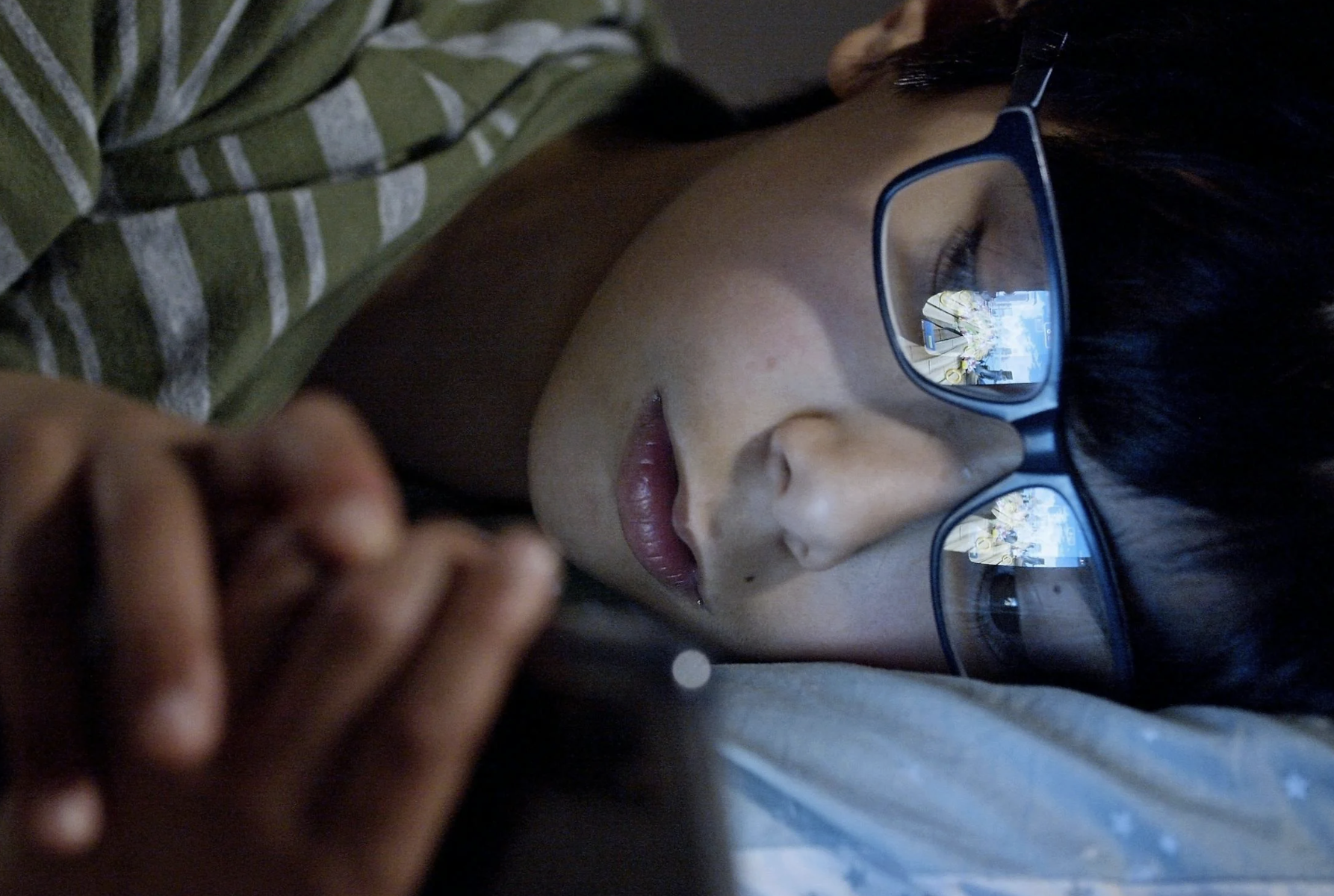
Why Screen Time Attracts Children with Autism
For many families, technology can be helpful, educational, and even calming. However, when it comes to screen time and autism, research shows a more complex picture.
Children with autism are often more captivated by screens than their neurotypical peers. This attraction is not accidental and is closely linked to how autistic brains process sensory information.
Predictable Visual and Auditory Input
Screens provide bright colors, repetitive movement, and consistent sounds. For children with autism, this predictability can feel comforting and easier to process than the unpredictability of real-world social interaction.
Sensory Regulation
Technology can be soothing or stimulating in a controlled way. For some children, screens help regulate emotions or reduce stress, especially when they feel overwhelmed.
Familiar Tools for Calming and Learning
Many parents use screens to calm their child or support language learning. While helpful in moderation, this can unintentionally increase reliance on devices, leading to heavier screen habits over time.
The Relationship Between Screen Time and Autism Symptoms
Research shows a possible link between screen time and autism, with excessive screen exposure associated with increased ASD symptoms such as social withdrawal and communication challenges.
Research also indicates a bidirectional relationship, where children with autism may gravitate toward screens due to social isolation, potentially reinforcing the effects of prolonged screen time.
Correlation, Not Clear Causation
Studies indicate that children who show early signs of autism often spend more time on screens. This suggests that screen time may be a response to developmental differences rather than the sole cause of them.
Early Heavy Screen Use and Increased Risk
Some studies have found that very high screen exposure in infancy, particularly under age two, is associated with higher rates of later autism diagnoses and more pronounced autism-like symptoms.
Developmental Interference
Excessive screen time can displace essential activities such as face-to-face interaction, play, and shared attention. These experiences are critical for language development, social skills, and emotional regulation.
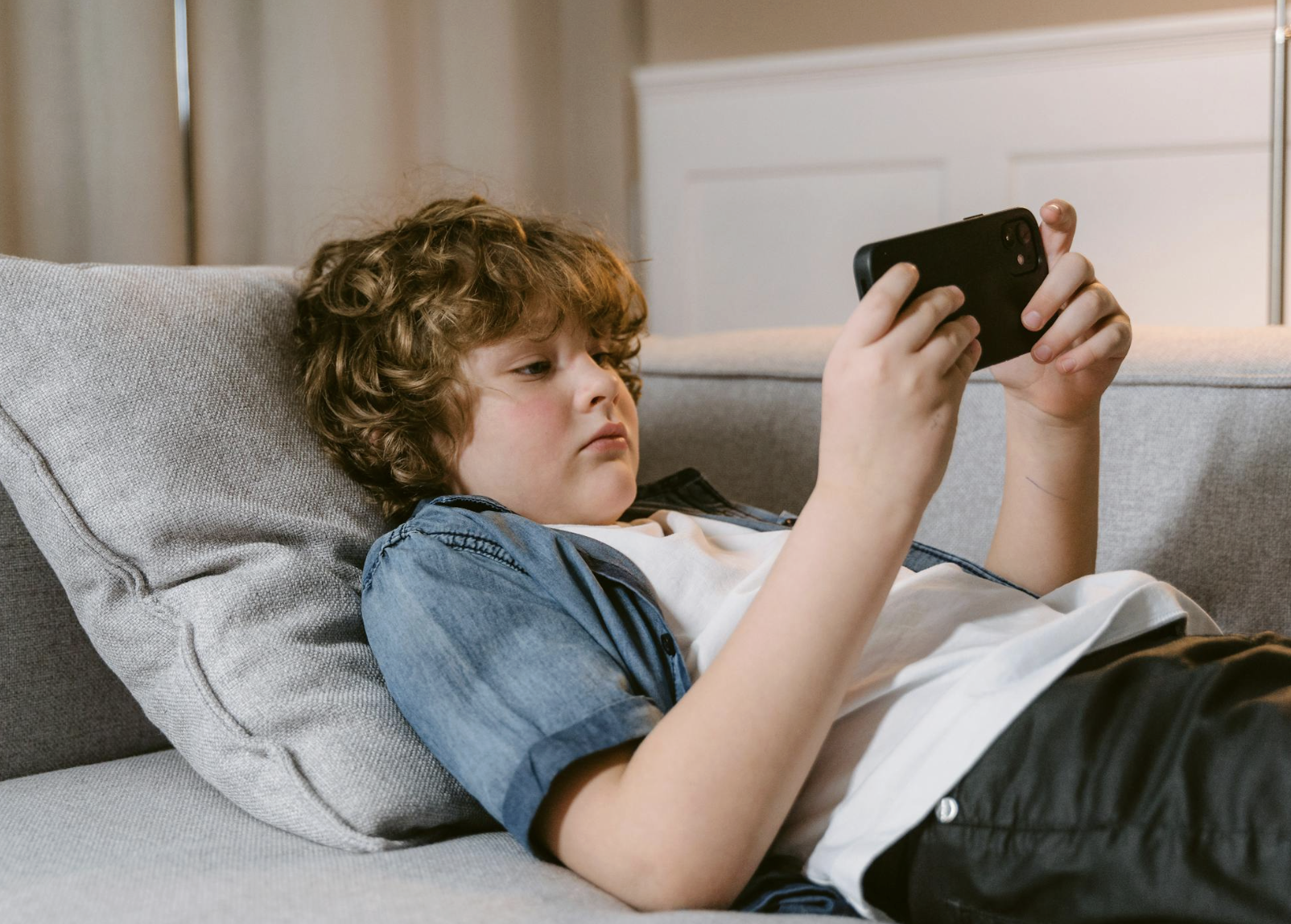
Why Children with Autism Are More Vulnerable to Excessive Screen Use
While too much screen time can affect all children, those with autism may experience stronger negative effects.
Social and Communication Challenges
High screen exposure is linked to reduced eye contact, fewer social bids, and delayed expressive language, skills that are already vulnerable in autism.
Overstimulation and Emotional Regulation
Fast-paced visuals and sounds can overstimulate the autistic nervous system, leading to increased meltdowns, stress, or difficulty transitioning away from devices.
Sleep and Brain Development
Screen use, especially before bedtime, can disrupt sleep patterns and may interfere with early brain development tied to attention, planning, and social engagement.
Technology Limits for Children: What Experts Recommend
Pediatric and developmental experts emphasize moderation, quality, and interaction when it comes to screen use.
General Screen Time Guidelines
- Under 18 months: Avoid screen time, except for video chatting
- Ages 2–5: Limit to about 1 hour per day of high-quality content
- Always co-view and interact with your child during screen use
These guidelines are especially important when considering screen time and autism, as early developmental windows are critical.
Reducing Device Use Without Increasing Stress
For children with autism, abruptly removing screens can cause distress. A gradual, structured approach is far more effective.
Use Predictable Routines
Visual schedules and timers help children understand when screen time starts and ends, reducing anxiety around transitions.
Replace Screens With Engaging Alternatives
Successful reducing device use strategies focus on replacement, not restriction. Offer activities that meet the same sensory or interest needs, such as:
- Sensory play (water, sand, playdough)
- Building toys and puzzles
- Art, music, role-play or movement-based activities
- Outdoor play and nature exploration
Make Screen Time Purposeful
Choose educational, interactive content and avoid passive viewing. Engage by commenting, asking questions, or linking on-screen content to real-life experiences.
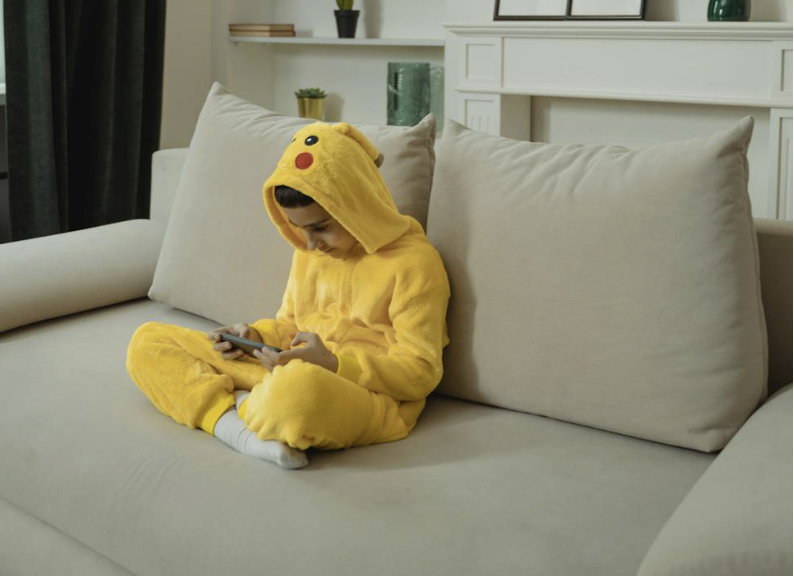
How ABA Strategies Support Healthy Screen Time Habits in Autism
ABA strategies help families manage screen time in autism by teaching self-regulation, setting clear expectations, and replacing excessive device use with meaningful, skill-building activities. Through positive reinforcement, predictable routines, and visual supports, ABA therapy encourages technology limits for children while promoting a healthy, balanced digital routine.
Rather than eliminating screens entirely, ABA focuses on reducing device use in a structured, supportive way, making screen time purposeful, limited, and earned.
6 ABA Strategies for Managing Screen Time and Autism
- Positive Reinforcement: Desired behaviors, such as choosing a book, puzzle, or toy instead of a tablet, are reinforced with praise, small rewards, or preferred activities. This increases motivation to engage in non-screen alternatives and supports reducing device use over time.
- Structured Routines & Visual Schedules: Clear routines help children with autism understand when and how long screen time will occur. Visual schedules, timers, and countdowns reduce anxiety around transitions and support consistent technology limits for children.
- Task Analysis & Chaining: Challenging behaviors like turning off a device are broken into small, manageable steps (pause → close app → put device away). Teaching these steps sequentially makes transitions away from screens more successful.
- Prompting & Fading: Verbal, visual, or gestural prompts guide appropriate screen-ending behaviors at first and are gradually faded as the child learns to self-regulate, an essential skill for managing screen time and autism.
- Functional Communication Training (FCT): Children are taught appropriate ways to request more time, ask for a break, or express frustration. This reduces meltdowns and problem behaviors when screens are limited or removed.
- Differential Reinforcement: ABA reinforces behaviors that are incompatible with screen use, such as playing with toys, engaging in pretend play, or interacting socially, supporting long-term reducing device use.
Practical Ways to Apply ABA Strategies at Home
Make Screen Time a Reward: Use short, high-quality screen time as a motivator after completing less-preferred tasks like homework, self-care routines, or chores.
Create Tech-Free Zones and Times: Establish screen-free bedrooms and device-free times, especially before bedtime, to improve sleep and reinforce healthy technology limits for children.
Encourage Engaging Alternatives: Actively promote outdoor play, reading, building toys, art, and social games to reduce reliance on screens and expand interests beyond devices.
Co-View and Interact: When screens are used, watch together. Ask questions, label actions, and encourage conversation to turn screen time into an interactive learning experience rather than passive use.
Lead by Example: Model balanced screen habits yourself. Children are more likely to follow technology limits when they see adults practicing them consistently.
Finding Balance: Screens as a Tool, Not a Replacement
Technology itself is not the enemy. When used intentionally, screens can support learning, communication, and connection. However, they should never replace real-world interaction, play, and exploration.
By setting thoughtful technology limits for children, prioritizing social engagement, and focusing on gradual reducing device use, families can help children with autism build healthier relationships with technology, supporting long-term development rather than hindering it.
Need help with reducing device use? Contact Spirit ABA today to get started with ABA advice and support from professionals.

FAQ’s
- How does screen time affect autism?
Research shows a strong link between screen time and autism, with excessive use associated with language delays, reduced social interaction, and increased autism-like behaviors, though it does not prove screens cause autism.
- Why are children with autism more drawn to screens?
Children with autism often find screens appealing due to predictable visuals and sounds, which can feel calming or stimulating but may lead to overuse without clear technology limits for children.
- Can reducing device use improve autism symptoms?
Yes, reducing device use has been linked to improvements in communication, attention, and social engagement, especially when screen time is replaced with interactive play and real-world activities.
- What are healthy technology limits for children with autism?
Experts recommend minimal screen time before age two and limited, high-quality, co-viewed screen use afterward, as structured technology limits for children support healthy brain and social development.
- Is all screen time bad for children with autism?
No, not all screen time autism exposure is harmful; educational, interactive content used in moderation can be beneficial when balanced with play, movement, and face-to-face interaction.

