

Quick Summary
- Many children with autism struggle to fall asleep or stay asleep at night.
- Sensory needs, anxiety, and routine changes often drive sleep problems.
- At Spirit ABA, our team helps families build routines that support better sleep.
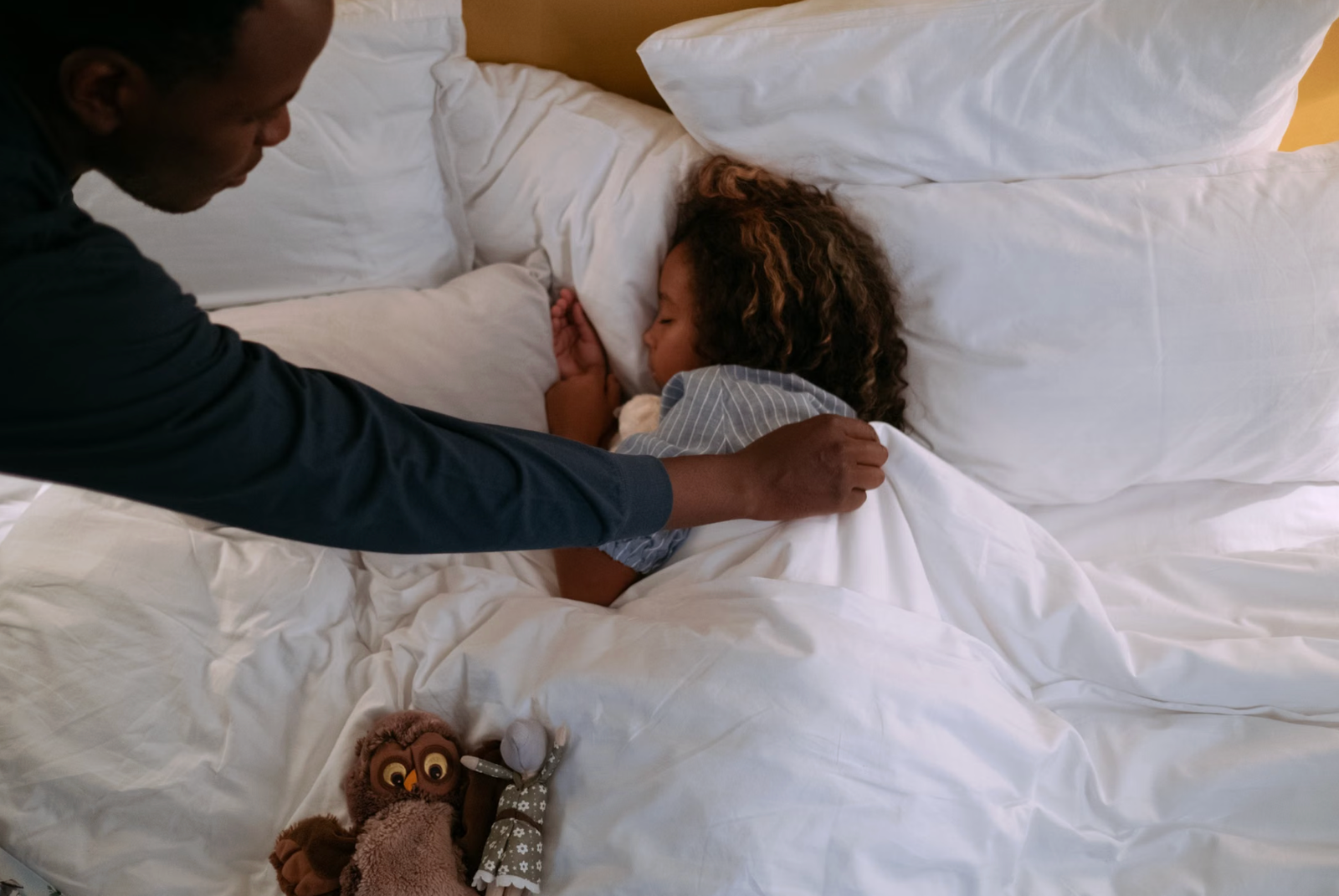
If bedtime feels like a battle every single night, you are not alone. Autism and sleep problems go hand in hand for many families, and the exhaustion adds up fast for parents and kids both.
At Spirit ABA, we work with families across Colorado, Iowa, Texas, North Carolina, New Mexico, and Arizona who deal with this exact struggle. This guide walks through why sleep is so hard for many kids with autism, and what you can try tonight.
Why Kids With Autism Struggle With Sleep
Sleep does not come easy for a lot of children with autism, and there are real reasons behind it.
- Melatonin production differences: Some children with autism produce melatonin on a different schedule than their peers, which throws off the body’s natural sleep signal.
- Sensory sensitivity: A scratchy blanket, a hallway light, or a humming fan can keep a child wired long after bedtime starts.
- Anxiety and racing thoughts: Many kids carry worry into the night, and quiet moments can bring those thoughts to the surface.
- Trouble with transitions: Moving from an active day into a calm bedtime routine takes a mental shift that does not come naturally for every child.
- Gastrointestinal or medical issues: Some children with autism deal with stomach discomfort or other conditions that interrupt rest.
Knowing the root cause behind your child’s autism sleep problems helps you pick the right strategy instead of guessing night after night.
Common Signs of Autism Insomnia and Night Waking
Sleep struggles show up differently from child to child. Here is a quick breakdown of common patterns.
| Sleep Issue | What It Looks Like |
| Autism insomnia | Long stretches spent awake before falling asleep |
| Autism night waking | Waking multiple times, often at the same hour |
| Autism sleep regression | A sudden return of sleep struggles after a period of good sleep |
| Early morning waking | Waking hours before a reasonable start to the day |
| Resistance to bed | Crying, stalling, or refusing to stay in the room |
If any of these patterns sound familiar, you are dealing with something common, not something wrong with your parenting.
Building an Autism Bedtime Routine That Sticks
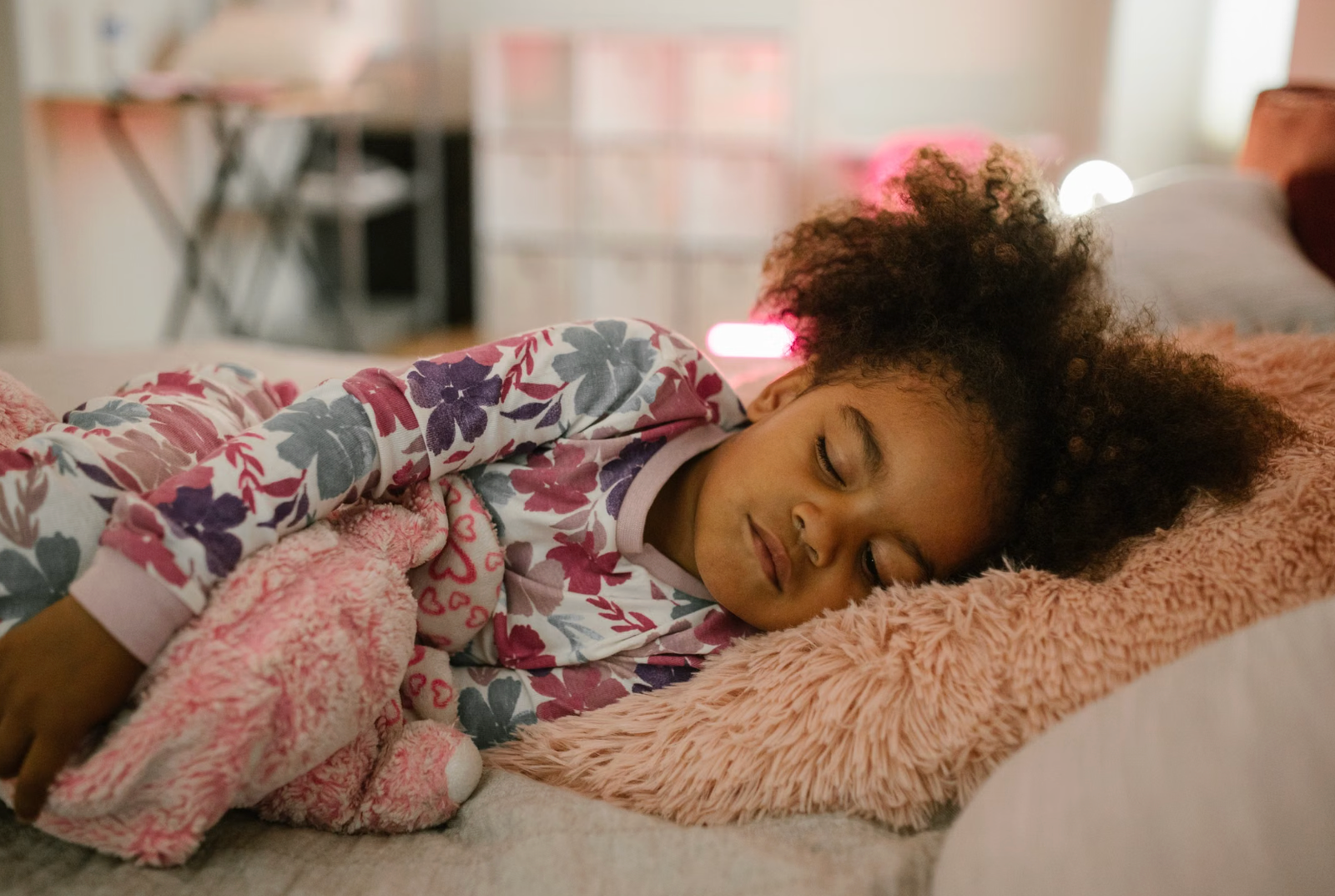
A steady autism bedtime routine gives your child’s body a clear signal that sleep is coming. Consistency matters more than the specific steps you choose.
A simple routine might include:
- Dim the lights an hour before bed: Lower light supports the body’s natural wind-down process.
- Follow the same order every night: Bath, pajamas, book, bed, in that order, night after night.
- Avoid screens close to bedtime: Screen light can delay the body’s readiness for sleep.
- Use a visual schedule: A picture chart helps some children follow the steps without needing constant reminders from you.
- Keep the routine short: A long routine can backfire and stretch bedtime out even further.
Our team at Spirit ABA helps families build routines like this through parent training for autism, where we walk through what fits your child and your evenings.
Sleep Strategies for Autism Parents Can Start Tonight
Beyond the nightly routine, a few sleep strategies for autism tend to make a noticeable difference over time.
- Keep wake and sleep times consistent, even on weekends: The body settles into rhythm faster with less variation.
- Watch afternoon naps: A late or long nap can push bedtime further away.
- Add movement earlier in the day: Physical activity supports better sleep at night, as long as it happens well before bedtime.
- Limit sugar and caffeine in the evening: Even small amounts close to bedtime can interfere with settling down.
- Track sleep patterns for two weeks: A simple log often reveals triggers you did not notice before.
Creating a Sensory-Friendly Bedroom
A sensory-friendly bedroom removes some of the barriers standing between your child and a good night of rest.
Consider these adjustments:
- Blackout curtains to block outside light
- A white noise machine to cover household sounds
- Weighted blankets, if your child responds well to deep pressure
- Breathable, tag-free bedding to reduce irritation
- A cool room temperature, since many children sleep better when it is not too warm
Small changes to the room itself often carry more weight than parents expect.
Sleep Hygiene Autism Families Can Rely On
Sleep hygiene autism experts recommend goes beyond the bedroom. It covers the full day, not just the hour before bed.
- Keep meals and snacks on a predictable schedule
- Get natural light exposure earlier in the day
- Avoid stimulating activities right before the bedtime routine begins
- Build in quiet, low-stimulation time in the evening
- Stay consistent even during school breaks or travel
Good sleep hygiene will not fix every issue overnight, but it builds a stronger foundation.

Melatonin for Autism Sleep: What Parents Should Know
Many parents ask about melatonin for autism sleep, since it comes up often in conversations with other families and with pediatricians.
A few points worth knowing:
- Melatonin can help some children fall asleep faster, though it works differently for each child.
- It is not a fix for every sleep issue, especially frequent night waking.
- Dosage and timing matter, and a doctor should guide this decision.
- Melatonin works best alongside a steady bedtime routine, not on its own.
Always talk with your child’s pediatrician before starting melatonin or any other sleep supplement.
When to Consider Autism Sleep Training
Autism sleep training looks different than typical sleep training approaches. It usually involves small, gradual changes instead of one big shift.
This might include:
- Slowly moving bedtime earlier or later in small steps
- Gradually reducing your presence in the room over several nights
- Reinforcing calm, independent settling with praise or a small reward
- Staying patient through a few rough nights before expecting results
At Spirit ABA, our team blends this kind of structured approach with in-home ABA therapy, so sleep goals connect with the rest of your child’s daily routine.
How Spirit ABA Supports Families With Sleep Struggles
At Spirit ABA, we build tailored ABA therapy plans that address behavior goals during the day and sleep struggles at night, since the two often connect more than parents realize. Whether your family needs ABA therapy for children, telehealth ABA therapy, or support through an autism evaluation and diagnosis, our team walks alongside you at every step.
In our experience, sleep improvements often lead to better days too. A well-rested child tends to handle transitions, communication, and emotional regulation with more ease.
Explore our full range of services to see how we can support your family.
Frequently Asked Questions
- Why do so many kids with autism struggle with sleep?
Sensory sensitivity, melatonin differences, anxiety, and trouble with transitions all play a role, often together rather than alone.
- How long does it take to see results from a new bedtime routine?
Most families notice small shifts within two to three weeks, though full consistency can take longer.
- Is melatonin safe for children with autism?
It can be safe for many children, but a pediatrician should guide dosage and timing before you start.
- Can sleep problems affect behavior during the day?
Yes. Poor sleep often makes emotional regulation, focus, and communication harder throughout the day.
- Should I try sleep training on my own or ask for guidance?
Many families succeed with guidance, since a professional can tailor the approach to your child’s specific needs.
Speak to Us About Building Strategies for Skills Your Child Struggles With
You do not have to face exhausted nights alone. If your child struggles with sleep, our team is ready to help you build a routine that works for your whole family.
Call us at 303-276-3995, email info@spiritaba.com, or fill out our contact form, and we will call you back. Visit our blog for more parent resources, or check out our careers page if you are interested in joining our team.
Restful nights are within reach. Let’s help you get there, one bedtime at a time.

