


Quick Summary
- A meltdown is a loss of control from overwhelm, not a choice a child makes.
- Meltdowns and tantrums look similar but come from different causes.
- At Spirit ABA, our team teaches families practical calming strategies that fit real life.

If you have ever watched your child collapse into tears, cover their ears, or shut down in a crowded store, you know how hard it can feel to know what to do next. Many parents ask the same question. Is this an autism meltdown or a tantrum? The answer matters, because the right response depends on knowing which one you are dealing with.
At Spirit ABA, we work with families across Colorado, Iowa, Texas, North Carolina, New Mexico, and Arizona who face this exact situation every day. This guide breaks down the autism meltdown vs tantrum question and walks you through practical steps you can use right away.
Understanding the Difference Between a Meltdown & Tantrum for Kids With Autism
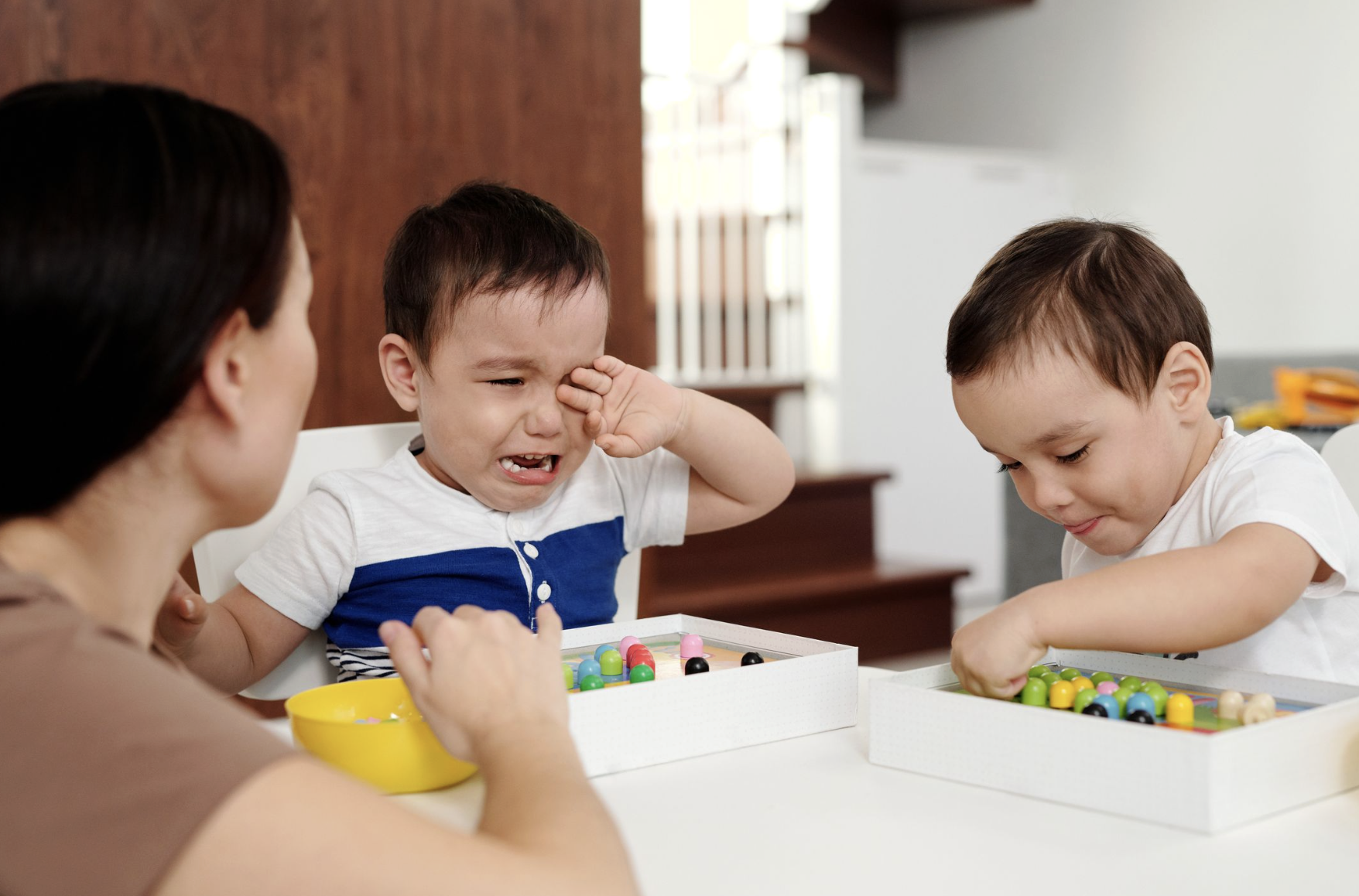
A tantrum usually has a goal. A child wants a toy, wants to stay up later, or wants control over a decision. Once the demand is met, or once the child accepts that the answer is no, the tantrum tends to stop.
An autism meltdown works differently. It is not about getting something. It is the nervous system reaching a breaking point. A child in a meltdown cannot simply calm down because a want was granted. There is no want driving it.
Here is a simple table to compare the two side by side.
| Feature | Tantrum | Autism Meltdown |
| Purpose | Goal-driven, wants something | No specific goal |
| Trigger | Being told no | Sensory overload, stress, change |
| Response to attention | Often changes with an audience | Stays the same with or without an audience |
| Ends when | Demand is met, or child gives up | Nervous system settles down |
| Child’s awareness | Some awareness of the behavior | Often little or no control at all |
Understanding autism meltdown vs tantrum patterns helps you respond in a way that actually helps your child, instead of a response built for the wrong situation.
What Causes Autism Meltdowns?
Every child is different, but most autism meltdown triggers fall into a few common categories.
- Sensory overload meltdown triggers: loud noises, bright lights, strong smells, scratchy clothing
- Changes in routine: a different route to school, a canceled activity, an unexpected visitor
- Communication struggles: not having the words to express a need or frustration
- Physical discomfort: hunger, tiredness, or feeling unwell
- Emotional buildup: stress that has been building all day quietly
Knowing what causes autism meltdowns for your specific child takes time and observation. Many parents keep a simple log of what happened right before a meltdown. Patterns tend to show up faster than you might expect.
Our team at Spirit ABA often works with families through parent training for autism to help identify these patterns and build a plan around them.

How to Calm an Autism Meltdown
When a meltdown starts, the goal is not to stop it immediately. The goal is to help your child feel safe until it passes.
Here are strategies that tend to work:
- Lower your voice and slow your movements: A calm adult gives the nervous system something steady to hold onto.
- Reduce sensory input where you can: Dim the lights, turn down noise, or move to a quieter space.
- Avoid asking questions during the peak: This is not the moment to reason or negotiate.
- Give space if your child needs it: Some children need room, not closeness, in the middle of a meltdown.
- Wait it out. Meltdowns run their course. Rushing the process usually extends it.
These autism meltdown strategies will not look the same for every child. What settles one child might overwhelm another. This is exactly why we build support at Spirit ABA around each child individually, not around a generic checklist.
Preventing Meltdowns: Tips Families Can Use Daily
Prevention will not remove every meltdown, but it lowers how often they happen.
A few things that help:
- Build predictable routines and give warnings before changes
- Watch for early warning signs like pacing, covering ears, or going quiet
- Keep a consistent sleep and meal schedule
- Practice new or stressful situations ahead of time
- Build in sensory breaks throughout the day, not just after a struggle begins
Our in-home ABA therapy sessions focus heavily on this kind of daily structure. Skills practiced at home tend to carry over into school and community settings too.
Managing an Autism Meltdown in Public
Meltdowns in public bring an extra layer of stress for parents. Stares from strangers, limited space, and time pressure all add to the moment.
A few things help in these situations:
- Scope out a quiet area before you go, if the space allows it
- Carry a portable version of the calm-down kit
- Permit yourself to leave without finishing an errand
- Remember that a stranger’s opinion matters far less than your child’s needs
Our school-based ABA therapy programs also work closely with staff so that public and school settings feel less overwhelming over time.
Building a Calm Down Kit Autism Families Can Rely On
A calm down kit is a small collection of items your child can use the moment stress starts to build. It works best when your child helps choose what goes in it.
Common items include:
- Noise-cancelling headphones
- A weighted lap pad or blanket
- Fidget tools
- A favorite small object or photo
- Chewable jewelry, if your child uses one
Keep a version at home, one in the car, and a smaller version for school if needed. Consistency across settings makes the kit far more effective.
What a Calm Down Kit Looks Like in Practice
A calm down kit works best when everyone knows their role. Here is how it fits into each stage of a meltdown.
| Before a Meltdown | |
| Parent Actions | Child Actions |
| Keep the kit stocked and easy to grab | Help pick items that feel calming |
| Watch for early signs like pacing or covering ears | Point to or ask for the kit when stress builds |
| Introduce the kit during calm moments, not just crisis moments | Practice using items like headphones or a fidget tool during quiet play |
| Bring a portable version when leaving the house | Carry a small item, such as a fidget, in a pocket or bag |
Practicing with the kit before stress hits helps your child recognize it as a tool, not a punishment or distraction.
| During a Meltdown | |
| Parent Actions | Child Actions |
| Offer the kit without pressure to use it right away | Use headphones, a weighted item, or a fidget if it helps |
| Lower your voice and give space | Move to a quieter spot if one is available |
| Avoid questions or reasoning in the moment | Lean on a familiar object for comfort |
| Stay nearby without crowding your child | Take the time needed to settle, without rushing |
The kit is not a fix that stops a meltdown instantly. It gives your child a way to regulate at their own pace.
| After a Meltdown | |
| Parent Actions | Child Actions |
| Offer water, food, or rest | Rest or eat if needed |
| Keep your tone gentle and free of blame | Return the kit items once things feel calm |
| Wait until your child is ready before talking about what happened | Talk about the meltdown only when ready |
| Restock or repack the kit for next time | Help repack the kit, if they are willing |

Helping a child after a meltdown in this steady way builds trust. Over time, your child learns the kit is there to help, not something used only when things go wrong.
Once the meltdown ends, your child may feel tired, embarrassed, or confused about what happened. This part of the process matters just as much as the meltdown itself.
Helping a child well after a meltdown can shape how they view their own feelings going forward. Our autism social skills groups also give children tools to talk through big feelings with peers who understand.
At Spirit ABA, our team helps families build this kind of before, during, and after plan as part of parent training for autism. A consistent approach across home, school, and public settings makes the calm-down kit far more effective.
How Spirit ABA Supports Families
At Spirit ABA, we build tailored ABA therapy plans around each child’s specific triggers, communication style, and family routine. Whether your family needs ABA therapy for children, telehealth ABA therapy, or an autism evaluation and diagnosis, our team walks alongside you at every step.
In our experience, families who understand the autism meltdown vs tantrum difference feel more confident and less alone. That confidence changes how the whole household handles hard moments.
Explore our full range of services to see how we can support your child.

Frequently Asked Questions
- Is an autism meltdown the same as a bad behavior choice?
No. A meltdown is a stress response, not a choice your child is making on purpose.
- Can a child have both tantrums and meltdowns?
Yes. Many children with autism experience both, and telling them apart takes some observation over time.
- How long does a typical meltdown last?
This varies widely. Some last a few minutes; others last much longer, depending on the trigger and the child.
- Should I punish a meltdown to stop it from happening again?
No. Punishment does not address the sensory or emotional cause and often makes future meltdowns worse.
- At what age do meltdowns usually improve?
Many children see improvement as they build communication and coping skills, especially with consistent support at home and in therapy.

Reach Out to Spirit ABA Today
You do not have to figure this out alone. If your child struggles with meltdowns, our team is ready to help you build a plan that fits your family.
Call us at 303-276-3995, email info@spiritaba.com, or fill out our contact form, and we will call you back. Visit our blog for more parent resources, or check out our careers page if you are interested in joining our team.
Your child’s calm moments are worth fighting for. Let’s get there together.

